
Have you planned your new campaign to be comprehensive? Did you work on your social calendar and ensure posts are published on time? Are your retail activations and paid campaigns ready to support the launch? This leaves one crucial element: influencer marketing for FMCG brands in the GCC. You plan to partner with a well-known creator, ask them to speak in Khaleeji, and recreate a successful international campaign. In reality, that’s just throwing out bait and hoping the right audience relates to the content.
What you need instead is a creator whose audience genuinely matches your GCC target market, whether that’s local families, expatriates, or health-conscious shoppers. More importantly, they should tell authentic stories that place your product naturally into everyday household moments.
Not sure which influencer is the right fit for your next campaign? Our FMCG360’s Influencer and UGC services match you up with creators whose audience, content, and storytelling align with your campaign goals and marketing strategy.
Why Do You Need Influencer Marketing For FMCG Brands?
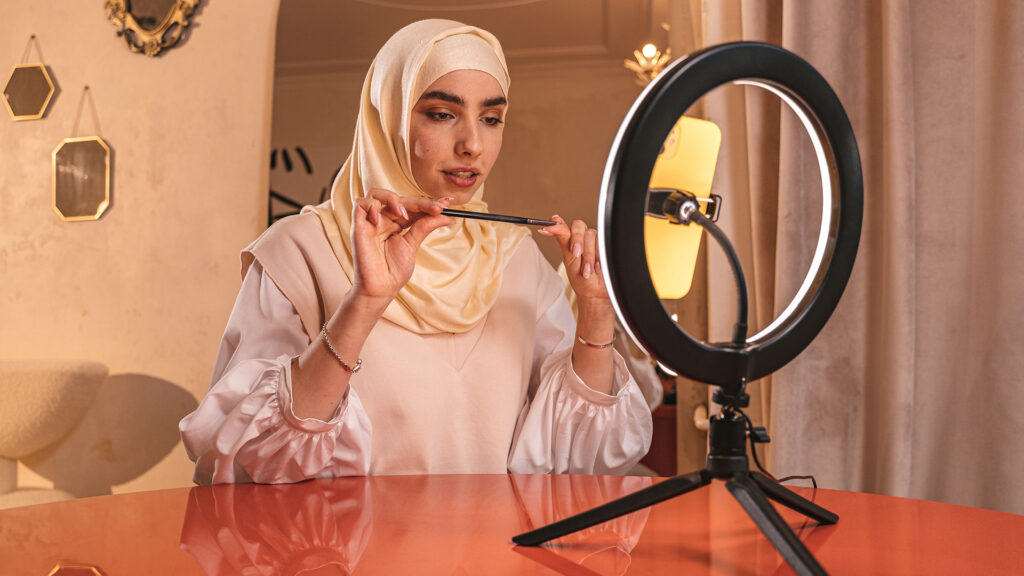
While brainstorming influencer content ideas or topics, you might stop for a while and think, “Why am I actually doing this?” Is it because everyone else is doing it, or because it can generate real commercial value for my brand?
According to a report by P&S Intelligence, the size of the influencer marketing market in the GCC was estimated at USD 315.5 million in 2025 and is expected to reach USD 771.6 million by 2032.
When executed properly, influencer marketing for FMCG brands in the GCC feels more like a genuine recommendation than a paid advertisement. For FMCG food and beverage brands, this creates several commercial advantages.
1- Influencing Consumer Behavior
Similar to a T.V. commercial break during Ramadan’s favorite show or series, social media influencers have a high penetration level. A well-executed video can inspire a shopper to make a fast and spontaneous purchase decision when navigating the aisles of Al Othim or Panda.
Imagine the influence of a 15-second reel featuring how a particular sauce solves today’s dinner dilemma. This type of content fills the natural gap between the consideration and conversion phases.
2- Massive Social Media Usage
Internet audiences in the GCC are not passive scrollers. They engage in commercial activities across multiple digital and eCommerce platforms, such as TikTok, Instagram, X, and Snapchat. When your influencer’s content is well-placed within their feed, instant orders can follow on platforms such as Noon, Ninja, or Jahez
3- Wider Consumer Base
Despite what appears from afar, the GCC isn’t one audience. To become successful, your products need to appeal to local Khaliji families, expats from different MENA regions, Westerners, and South Asian communities. Smart influencer marketing for FMCG brands helps you segment your messaging. Choosing a local influencer can build deeper trust and relevance for the markets in Jeddah or Riyadh. Meanwhile, an expat creator can be a more suitable choice for high-density international hubs in Doha, Abu Dhabi, and Dubai.
4- Modern Evolution of the Word-of-Mouth Concept

The concept of word-of-mouth is deeply rooted in the local Gulf culture. Throughout the years, it has been a powerful selling mechanism. Recommendations shared across family gatherings, community circles, and WhatsApp groups can be more significant than corporate brand claims.
The same thing happens when a respected local influencer, even in the micro or macro category, incorporates your product into their daily routine; it can carry the same weight as traditional word of mouth.
Arabic vs. Foreign Content: Which is More Effective for Influencer Marketing For FMCG Brands?
Before contacting a list of highly trusted FMCG influencers for FMCG campaigns in the GCC, you need to determine the creator’s language. It’s not just about the usual debate around Arabic vs. global influencers for FMCG brands in MENA. It’s about demographics that vary drastically within the same region. You have multiple cities with a dense population of local audiences. Then, you have these metropolises with a massive expat population.
When to Use Arabic Content?
It should be your main focus. But avoid pushing content in Fusha or MSA (Modern Standard Arabic). Language rigidity won’t click with the wide base of FMCG shoppers in the Gulf. Focus on an effective localization strategy for FMCG brands. Target localized Gulf dialects, such as Hijazi, Najdi, and Qatari. This approach enhances credibility and the strength of peer-to-peer advice.
When to rely on English Content?
This approach is useful for hubs like Abu Dhabi and Dubai, where expats form a purchasing power in the FMCG sector. The nature of the product also dictates the messaging language. For instance, English-language videos can be more useful for promoting items from international cooking lines or universal snacks and beverages.
When clients ask for advice on choosing the messaging language for influencer marketing for FMCG brands in the GCC, we don’t start by choosing the language. Our priority is understanding the target shopper. Solving this puzzle gives us creative freedom. Based on this, we select creators who naturally align with that consumer segment.
Looking for more updates on the latest influencer collaborations shaping the FMCG industry? Subscribe to our newsletter for practical insights, GCC market trends, campaign breakdowns, and strategies to help your brand stay ahead.
How FMCG360 Builds Credible Influencer Partnerships
From our experience across the GCC, influencer marketing delivers its strongest commercial results when audiences trust both the creator and the brand. High social media usage paves the path for FMCG brands. But investing in long-term growth needs credible partnerships and consistent production. This principle has guided many of our influencer collaborations, including our work with St. Dalfour Arabia.
1- Avoid Overstated Product Claims
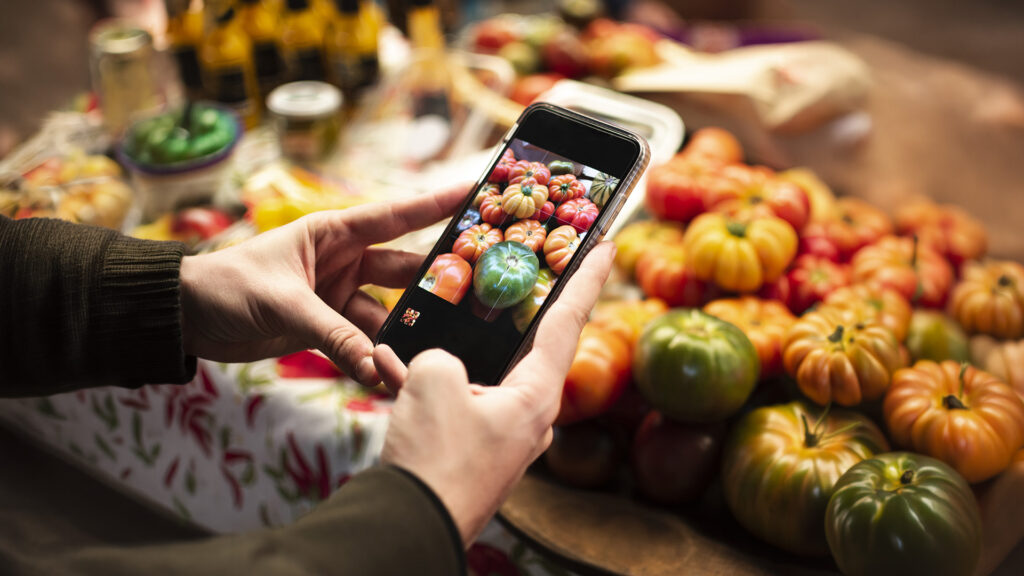
Sometimes, for increased reach, content creators get carried away with overstatements. It’s your responsibility to prevent this from happening. Your product doesn’t need to be framed as “ the greatest” or “life-changing”. Today’s consumers are smart and can detect exaggerations. Instead, encourage your partners to present honest experiences and usage contexts for products and leave the final judgment for the audience.
2- Follow Influencer Selection Framework
We apply a set of vetting standards to guide our influencer partnership path. First of all, we look beyond engagement numbers to relevance indicators. We also evaluate their past collaboration history to understand their strengths and how they build a credible narrative around products. Our St. Dalfour Arabia campaigns relied on a broad network of food creators with different follower sizes. Our partnerships resulted in producing recipe-focused content that generated millions of impressions and strong engagement.
3- Don’t Hide Collaborations
Sponsored collaborations shouldn’t be disguised as organic recommendations. Across GCC markets, influencer campaigns should clearly disclose commercial partnerships in line with local advertising regulations. Transparency protects both the brand and the creator while helping audiences understand that the recommendation remains genuine despite the commercial relationship.
Influencer marketing for FMCG brands in the GCC relies on building long-term partnerships with local and relevant creators. Bearing in mind the target language and dialect, maintaining transparency, and avoiding overstatements are crucial foundations for influencer work. Through efficient influencer collaborations, content becomes a way to achieve commercial growth in a promising region.
Want to get more value from every influencer collaboration? We help FMCG brands transform creator content into long-term marketing assets that enrich social media feeds and work as paid promotional content. Contact us to book a free consultation to explore tactics for proper influencer vetting and content production ideas.