As an FMCG brand in MENA, your content calendar may already be full until the end of December. Every day, your social media manager is committed to publishing Reels, coordinating influencer collaborations, and keeping the brand active online. Yet, all these digital efforts may still have little impact on shelf velocity. A missing FMCG social media strategy 2026 stands behind all this.
Back in 2020, regular Reels, influencer collaborations, and consistent posting could help brands stand out. In 2026, they are closer to minimal expectations. What changed? Consumers in MENA have become more selective about the FMCG content they stop, watch, save, and share.
If your content lacks community relevance, authenticity, or entertainment value, it can easily get buried in a busy social feed. More importantly, every post needs to give consumers a reason to remember your product, explore it further, or consider it at the point of purchase.
Find out what a winning FMCG social media strategy 2026 in MENA looks like, and how to turn content production into a more purposeful commercial tool.
Is your social media strategy creating little echo? Does it feel disconnected from what truly clicks with your audience? Our social media strategy services can help you turn audience insights into content that supports stronger engagement, product relevance, and commercial goals.
How Can FMCG Social Media Strategy 2026 Make a Product Relevant?
When asking this question, “How can you make an FMCG product relevant before marketing it? Pushing more ads might be the first thing to come to mind. It is a popular shortcut that many brands take effortlessly. But it’s never that simple.
What we actually do for our clients is study 3 core axes before deciding how to communicate it online:
- the product
- the shopper
- the consumption context
Based on these core elements, we build a specific strategy. A proper strategy is a multi-layered process that includes proper segmentation, channel selection, and offering value. We also prioritize seasonal synchronization, retail reality alignment, organic and paid media strategy, and community building. When combined, these layers serve the goal of making a product relevant.
1- Audience Segmentation
Now, if you are targeting moms in Dubai for a new ad campaign for a pre-cooked pasta, you can’t expect every shopper to respond to the same message. A stay-at-home mom may care more about how easily the product fits into a busy family routine. Meanwhile, a time-poor professional looking for a 15-minute weeknight dinner will definitely appreciate the concept of speedy preparation. Understanding the background of your audiences helps you find the right words to talk to them and convince them.
2- Proper Channel Selection
We recommend that our clients avoid being everywhere. This approach needs a substantial budget and different messaging. Audiences on each platform vary in their needs and preferred content format. For instance:
TikTok audiences look for quick-turn entertaining recipes and spontaneous creator reactions
Instagram audiences prefer high-quality productions with more aesthetics, polishing, and curated lifestyle positioning.
For that reason, our St. Dalfour Arabia presence on Instagram focuses on visually appealing recipe content, product usage ideas, and curated food inspiration.
3- Offering Value Instead of Straightforward Advertising
When looking for FMCG food and beverage products on social media, MENA audiences don’t want to read a product’s specs. The expected value comes from the problem this product can solve in their daily lives. For instance, position your product as an answer to similar questions:
- How do I store this ingredient to preserve maximum freshness?
- What unexpected flavor pairings can I create with this item?
- How can I pull together a nutritious lunchbox for my children in under ten minutes?
When your content repeatedly answers these questions, your product transitions from an impulse buy to an irreplaceable kitchen staple.
Looking for further coverage on the best practices for social media strategies? Subscribe to our newsletter for the latest strategies, trends, and practical ideas for growing your brand.
4- Cultural and Seasonal Synchronization for FMCG Social Media Strategy 2026
In our 15+ years of experience in MENA FMCG marketing, the classic mistake of treating international and regional seasonal occasions the same way can be very costly. Celebrating a huge regional season like Ramadan should be from a local perspective. Don’t use Christmas or Thanksgiving traditions and force them into the Arabic-speaking feed. Instead, when celebrating high-impact seasons, such as Ramadan and Eid, focus on what makes these occasions meaningful. This includes family gatherings, shared Iftars, and Eid traditional desserts.
How St. Dalfour Campaigns Synchronize Cultural Events
Our St. Dalfour campaigns during high seasons, such as Ramadan, are inspired by local traditions centered around family, loved ones, shared meals, and creative dessert recipes. For example, our “Tag Your Iftar Buddy” Ramadan activation connected the brand with an occasion that naturally revolves around sharing and gathering.
5- Alignment with Retail & Q-Commerce Realities
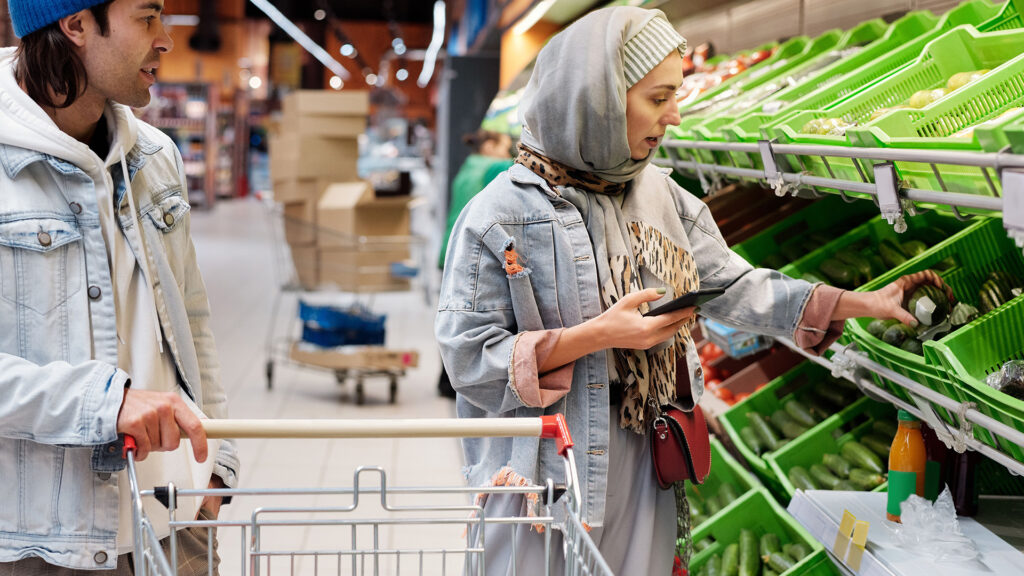
A reliable FMCG social media strategy 2026 isn’t a lone wolf. It must support physical and digital store realities. Whether driving foot traffic during payday weekend promotions at Carrefour, Metro, or Panda. It also must be tied to the online catalogue on Q-commerce platforms like Talabat and InstaShop.
6- The Paid + Organic Media Engine
Relying strictly on organic reach in 2026 won’t get you the necessary exposure and visibility. Conversely, running paid ads without proven creative assets wastes budget. The best solution isn’t a battle royale of paid vs. organic campaigns. Instead, an integrated dual-engine that combines both. On one hand, it allows organic content to generate audience signals. One the other hand, paid media scales the assets and messages that show stronger potential.
7. Growing an Active Community Ecosystem
A community for an FMCG brand in MENA won’t grow with a big number of inactive followers. What you need for a winning FMCG social media strategy 2026 is to give your followers a reason to interact with the brand.
A consumer who asks where to find a product, shares a recipe, or comments on a new flavor is giving the brand more than engagement. They are providing insight into how consumers think about, use, and evaluate the product.
Is your FMCG social media strategy failing to show your product’s commercial value? Contact us now for a free consultation! Let our team to identify missed opportunities and build a strategy aligned with your audience, products, and business goals.