While most FMCG shelves are buzzing with diverse formats of the same product, they usually offer a standardized experience. Your brand, as well as many others, often offers a similar flavor, price, or packaging for tea bags, yogurt, or cereals. Day after day, a consumer standing in Panda would probably grab the same bag of coffee beans as another one shopping through Talabat Mart.
Since most FMCG consumers appreciate a personalized experience, you can’t pass up the chance to speak directly to each person in your audience. But what is it? FMCG email marketing personalization remains one of the few windows where you can speak to consumers personally, intimately, and with high commercial relevance.
Does your current email strategy treat every subscriber like the same shopper? Our email marketing services help brands build a personalized newsletter experience by using available audience data and behavioral signals to better understand your audience. This way, you can turn routine, often ignored, broadcasts into high-value assets.
What is FMCG Email Marketing Personalization Exactly?
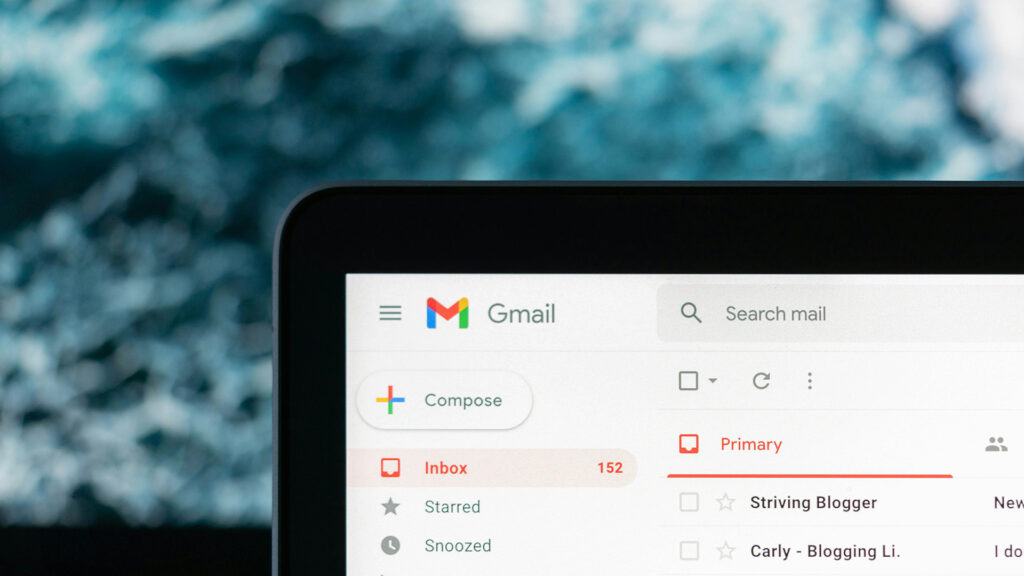
As you keep hearing about personalized email marketing, you might develop one image of it. Many believe that a personalized FMCG email must start with a recipient’s name, followed by an automated “check out our latest offers”. This might not count as FMCG email marketing personalization.
What consumers usually expect is more relevant communication. It must stem from the recipient’s previous engagement to show them content pieces they have already interacted with. For instance, a registered user for a cereal brand’s newsletter should receive three breakfast recipe ideas or quick snacks with the same product they have already purchased or showed interest in.
Why Use Personalization in FMCG Email Marketing in MENA?
Personalization is a growing trend in every aspect of the FMCG shopping experience that stretches even to packaging. A 2021 report by McKinsey found that 71% of surveyed consumers expect companies to provide personalized interactions, while 76% become frustrated when they don’t receive them.
The same expectation isn’t far from the landscape in the GCC. An Oliver Wayman’s 2024 Report indicates that 71% of respondents among grocery shoppers in the UAE and 62% of Saudi shoppers are interested in personalized promotional offers.
FMCG Email Marketing Personalization Considerations for Brands
Developing personalized content for your email list subscribers doesn’t mean writing a unique message to everyone individually. It demands a closer understanding of whom you’re writing for and keeping realistic expectations regarding the process and its outcomes.
1- Same Product vs. Different Contexts
As an FMCG brand looking for further market acquisition, this can be a crucial consideration. For example, the same jar of St. Dalfour fruit spread can be bought by different consumers for different purposes. A home-cook/ working mom can be looking for a quick breakfast item, while a fitness-conscious consumer is after a pre-exercise snack without artificial sweeteners.
The way you approach each shouldn’t be the same, as they might share different interests, needs, and consumption occasions. The best way to personalize your message through emails is to use the information you have about each subscriber to make the content more relevant to them
Each message you send for each subscriber is an opportunity to connect the product with what each audience segment actually finds useful.
Want more practical FMCG digital marketing insights delivered to your inbox? Join our newsletter for fresh strategies and expert insights for brands in MENA.
2- Retailer Reality Sets Limits for Full Personalization
In MENA and many regions across the globe, FMCG products aren’t sold directly from brands to consumers. Retailers act as the middleman between both ends. This means retailers often hold purchase and transaction data that FMCG brands don’t directly access. Therefore, an FMCG email strategy shouldn’t assume access to information that the brand doesn’t actually have.
Instead, personalization can start with the signals the brand legitimately accesses and uses.
This can include:
- Content a subscriber repeatedly clicks
- Product or category interests
- Recipes or usage ideas they engage with
- Previous interactions with the brand
- Purchase behavior, where the brand has access to it
- Geographic or market contex
3- Measurement isn’t Always Feasible
As a brand trying to improve your communication with your audience, measurement can be a main concern. However, for FMCG email marketing personalization campaigns, things aren’t always clear.
For example, if a consumer reads an email and later buys the product from a physical supermarket, the brand may not be able to connect that purchase directly to the email. Similarly, a click to a retailer’s product page proves interest, but it does not necessarily confirm that a purchase occurred.
How to Measure Success of Personalized FMCG Email Marketing
When it comes to evaluating email marketing performance, the open rate is the first thing to come to mind. But a higher open rate isn’t necessarily the sole and core indicator. The more important question to ask at this point is: Did the personalization change what the consumer did next?
So, it needs to go beyond opening and reading to actually changing the recipient’s behavior. For example, if you personalize product recommendations, tracking clicks can give you a clue. It can show whether recipients are interested enough to explore the product page or retailer listing. Similarly, you can also track actions such as recipe engagement, offer clicks, repeat visits, or retailer referrals.
FMCG email marketing personalization isn’t about giving every message different content and format. It is about making each message more relevant to the consumer receiving it. More importantly, you need messages that can actually trigger an action.
By using available behavioral and audience signals, your brand can move beyond generic broadcasts and connect products with the needs, interests, and occasions that matter to each recipient.
Trying to make your FMCG emails speak to the right consumers with the right message? Contact us today to request an FMCG360 snapshot to identify opportunities for more relevant, data-informed email communication.