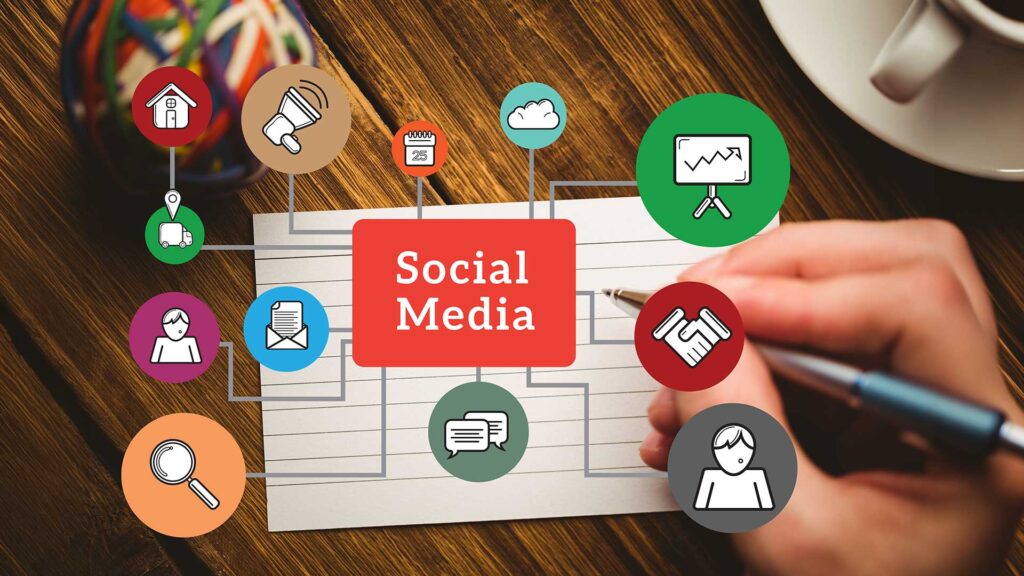
Keeping a busy social media posting schedule can feel like you’re doing your homework. But when comparing your social media strategy for food brands in the GCC to shelf movement or engagement rates, a huge gap appears. This is a result of an absent social media strategy for food brands in the GCC.
Your first instinct is probably to blame content quality, timing, or even the platform, when in reality, it’s all about the absence of strategy.
Without a clear strategy, your content will be inconsistent, ineffective, and unable to reflect your positioning.
Instead of addressing this core issue, you might double your bet on increasing the ad budget and influencer collaborations. The result? Higher costs without actual returns. But it’s not too late to pivot; you can always set a course in the right direction.
Below, we share 10 steps, based on real campaign experience, that help our partners build their social media presence on a structured strategy rather than a random effort.
FMCG360 utilizes powerful tools to help our partners strengthen their online presence through solid and custom-made social media strategy services. Our service bundle includes audience analysis, content development, and performance tracking systems to ensure your presence translates into measurable results.
1- Define Business and Marketing Objectives
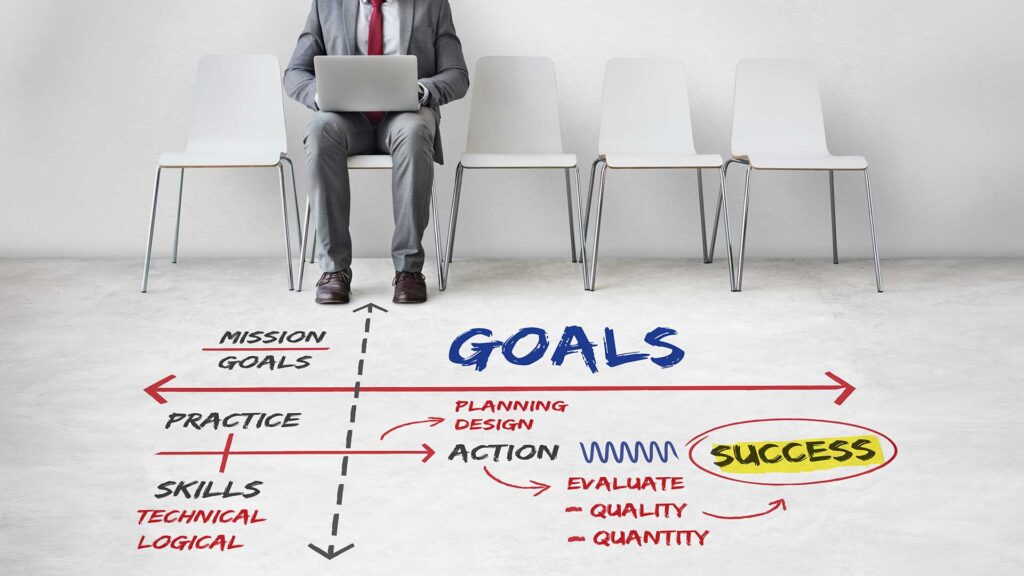
Why are you on social media in the first place? What is your approach to social media strategy for food brands in the GCC? Growing followers isn’t your endgame. It’s a flexible marketing tool that you tweak to express objectives. As we help FMCG brands, we notice there are a few objectives.
- Establishing roots in MENA and the GCC.
- Supporting a specific positioning.
- Defending your existing market share.
- Driving in-store demand.
Each of these goals requires a different strategy for content direction, platform selection, and KPIs. For a beverage brand entering the Saudi market, we focus on brand awareness and recall at the shelf. Meanwhile, a local brand defending its market share, we always prioritize loyalty campaigns and repeat purchase drivers. When the direction is clear, execution becomes focused and tied to business outcomes.
For instance, a big beverage brand like Coca-Cola utilizes Ramadan campaigns on sharing Iftar moments, instead of listing product features. This is because the goal isn’t awareness; it’s fitting the product into a specific consumption moment.
2- Understand the Target Audience In Social Media Strategy For Food Brands in the GCC
We are no longer limited to traditional demographic segmentation. Age and location alone don’t explain why consumers prefer one product over another. Before outlining social media strategy for food brands in the GCC, we always study the context and drivers for purchase decisions.
According to Forbes, brands need insights into consumers’ generational cohorts, historical events, and life-cycle moments. This data focuses on direct consumer relationships and enables brands to build more accurate and actionable audience profiles.
From our expertise in the GCC markets, understanding these behavioral patterns facilitates speaking to the right audience, at the right moment, in the right tone, and on the right platform.
3- Analyze the Brand and Competitors
You don’t need to reinvent the wheel. When working on your social media presence, your priority should be to analyze both your brand and your competitors. But don’t just be an observer, or worse, a copycat. Instead, identify gaps in their messaging, content formats, and positioning.
Our approach relies on weighing consumer perception against competitor positioning. For instance, many dairy brands position themselves as family-oriented businesses. We shift away to differentiate by introducing a new product as more convenient or suitable for on-the-go consumption.
4- Define Clear Brand Positioning on Social Media
Why should the online audience follow you, not your competitor? Asking this question helps you determine your social media strategy for food brands in the GCC. The answer usually is your positioning, which is the frame in which your brand is perceived. Is it high-end, convenient, health-focused, or value-driven?
When brands try to cover all these different directions at once, we talk them out. This approach appears confusing and weakens clarity. Instead, we advise them to focus on one angle, supported by secondary cues.
5- Build Content Pillars Within Social Media Strategy for Food Brands in the GCC
Content pillars are the main themes that define your social media direction. Think of them as pre-defined molds that shape your content. Knowing these pillars and sticking to them ensures consistency across posts and platforms.
In the FMCG sector, we have a couple of high-impact pillars: product usage, lifestyle integration, ingredient transparency, and educational content.
If a piece of content doesn’t fall under a defined pillar, it won’t serve your strategy and must be eliminated.
6- Choose the Right Platforms

Your superiority isn’t about being everywhere. What really matters is being where the buying intent is high.
We don’t recommend spreading efforts across all platforms. Instead, we select channels based on audience behavior, brand positioning, and campaign objectives.
For example, we use Instagram and TikTok for visual storytelling, while LinkedIn supports B2B communication with distributors and commercial partners. Facebook, on the other hand, can act as a community and retention channel.
Still unsure how to select one platform over the other? Subscribe to our newsletter and get practical guidance on channel selection criteria that help you perform.
7- Prioritize Consistency for Social Media Strategy for Food Brands in the GCC
Through hundreds of cases we examined, we noticed that most brands confuse consistency with frequent posting. Posting every day isn’t what audiences need, but they appreciate brands that show up with purpose over time.
For that reason, we follow a flexible monthly content calendar. Each calendar has three main foundations: consistent posting, campaign pushes, and main occasion alignment. In MENA markets, your content needs to breathe with key moments, such as Eid, Ramadan, and back-to-school seasons.
8- Integrate Paid Media from the Start
The battle over organic vs. paid FMCG digital media strategy has been going on forever. But there is no need to take sides. We always recommend a combination of both. A sole strategy rarely drives outcomes. Meanwhile, a hybrid strategy draws attention to your content early on. Your content strategy must determine which posts to boost, the type of audience you are targeting, and the purpose of boosting
Using paid media as a last resort makes your ads appear as a desperate attempt.
9- Leverage Influencers and UGC
Today’s brands can’t afford the absence of influencer collaboration and FMCG UGC marketing strategy. When leveraged smartly, they can signal trust and reliability. To achieve that, we seek collaborations within the same product category, geographic region, and cultural background. That’s how the produced content ties naturally to designated pillars. And like a cherry on top, boosting this type of content won’t feel forced or out of place.
10- Measure, Learn, and Optimize

We always treat monthly content plans as flexible and dynamic. They can be adjusted based on reach, engagement quality, and performance against preset pillars. What we look for here isn’t numbers, it’s patterns that explain behavior. Such evaluation must detect what drives engagement, what converts, and what fails to perform.
This is similar to how a dairy brand would operate during a back-to-school campaign in the GCC. The brand may test different forms of content, such as lifestyle posts highlighting the nutrition routines alongside reels featuring lunchbox ideas using their products.
Then, the brand would study the performance of each format to understand what to keep, what to tweak, and what to pull the plug on.
The FMCG marketing industry has moved far beyond random posting and intuitive decision-making. Effective execution now depends on building a structured system, or what we define as a social media strategy for food brands in the GCC.
Our 10-step framework helps brands move from scattered activity to consistent, performance, and reliable execution, where every post, campaign, and collaboration serves a clear purpose.
Ready to stop burning your budget on random effort? Reach out for a free consultation, and let’s turn these steps into a bespoke strategy that fits your market and category.