Top-Performing Practices for FMCG Campaign Creative Planning
Is it time to check the performance report of your recent campaign? Does the data show failure to hit ROI targets? Your first assumption is that FMCG campaign creative planning and production was not good enough. In reality, quality isn’t to blame; timing often is. The whole issue stems from a delayed start. Last-minute visual designs, 11th-hour social content planning, or rushed influencer collaborations are just a few examples.
Why is this FMCG campaign’s creative planning approach ineffective? And more importantly, how can you correct it before the next campaign cycle? Keep reading for a closer look!
Why Avoid Late FMCG Campaign Creative Planning?

It’s not about last-minute preparations or execution. In FMCG marketing, teams are used to tight timelines and deadlines. The real issue lies in the loss of agility, which is a direct result of late creative production.
Late FMCG campaign creative planning and production leave no room to test ideas. It also costs you the chance to adjust messages and get authentic audience feedback. No matter how good your creative work is, it won’t achieve the desired success. Don’t blame quick actions but blindfolded movement.
1- Delayed Timelines for FMCG Campaign Creative Planning
It’s like the domino effect. Once a deadline slips, all that follows has to adapt around it. For instance, late planning for seasonal FMCG campaigns, such as White Friday. In this scenario, your team will be rushed just to be present. At the same pace, your team will recycle the same productions and assets for Christmas and New Year promotions. It’s not because they are perfect and fit for all seasons, but because your team has no time to create better ones.
By the end of the year, your efforts will be only reactive, not proactive.
2- Sending Inconsistent Branding Messages

When FMCG campaign creative planning and work are produced under pressure, they lose brand alignment and shared narrative. Social media posts feel disconnected and rushed. In-store visuals are not actual adaptations. Influencers’ content appears random because there is not enough time for guidance.
In this case, mixed signals are the rule, and consistency is only accidental. For FMCG shoppers, contradiction kills recall and shelf trust.
3- Missed Engagement Opportunities
Delayed FMCG campaign creative planning and production weaken the campaign’s ability to properly respond to real audience behavior. Late assets cost you the opportunity to identify what resonates, what gets ignored, and what needs more depth and investment.
In FMCG, shoppers are always hungry for the right message. So, engagement loss happens when you don’t properly adapt to your audience.
What Happens When FMCG Campaign Creative Planning Starts Early?

The early bird catches the worm. But this doesn’t suggest finalizing FMCG campaign creative planning and production months in advance. It means crafting everything within a flexible timeframe that allows you to test, align, and adjust. All this should take place before the campaign reaches the climax point. For FMCG marketing plans, this means working smarter rather than louder and harder.
1- Enough Time to Test Concepts
When your creative efforts launch early, you have time to observe, evaluate, and improve. Early kick-off gives you learning time, which is priceless for FMCG campaigns. It doesn’t take extravagant setups, but deliberate testing time. This helps reveal which value propositions click and which are ignored. Evaluation methods, such as A/B testing and limited market creative variant testing, are essential before going live. By then, adaptation is restricted, and the ad budget is spent.
2- Omnichannel Asset Integration
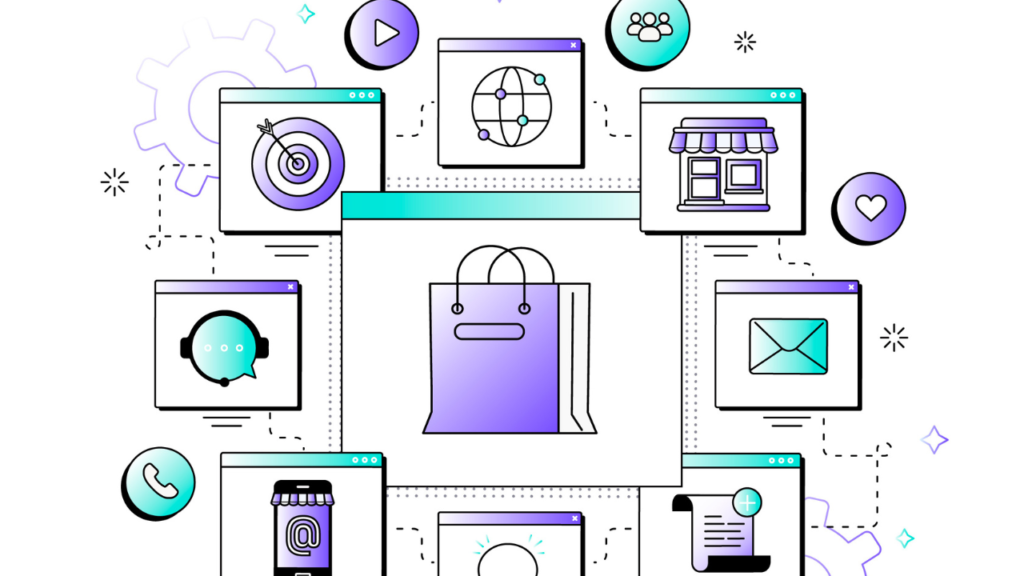
FMCG campaigns are not exclusive to one channel. In most cases, they go live simultaneously in digital ads, social media content, and in-store displays. Early FMCG campaign creative planning and production allow for purpose-built and personalized visuals and formats suitable for each use case. The goal here is to craft content that feels native to each platform instead of assets that look stretched and forced.
3- Influencer and Recipe Content Planned with Purpose
In FMCG marketing, working with relevant influencers on FMCG marketing giveaways is a shortcut for visibility and engagement. But this must happen within your brand’s clear guidelines. Rushed briefs are a backdoor for each influencer to act on their own intuition and interpretation.
What changes this faulty and inefficient dynamic? Early planning. It allows you to clearly explain the objectives, desired content style, and promotional timing. This is how usage scenarios and recipe videos reflect the campaign’s core message.
Late FMCG campaign creative planning doesn’t indicate a team’s lack of talent. It shows weaknesses in time management and failure to test, track, and tweak. You can avoid this with efficient snapshots at your fingertips. We help FMCG teams capture the right insight early on and plan their creative work accordingly.
Contact us today to see how snapshots can support your next campaign!