How to Craft A Hit FMCG Marketing Localization Plan

What’s the quickest way to waste your FMCG marketing budget and effort? Running the same campaign everywhere without a proper FMCG marketing localization plan or adaptation strategy. The playbook of marketing mistakes is long, but ignoring localization sits at the top.
Read on to find out why autopilot marketing campaigns backfire. Also, learn how FMCG Marketing Localization can save the day.
FMCG Marketing Localization Plan Importance

Bombarding your audience with culturally irrelevant content goes beyond missing the mark. You risk alienating the very audience you want to attract.
Think about this: acting internationally is one thing, but sounding tone-deaf in a local market is another. The good news? It’s not bound to happen. Armed with a proper localization roadmap, you can dodge that bullet
Real-Life Failed FMCG Localization Marketing Examples
Imagine this: standing with a beverage van in the middle of the Sahara, only to sell hot cocoa. This is exactly what happens when you deliberately ignore the local context. We’ve compiled a list of common localization pitfalls to steer clear of:
Ramadan content that doesn’t reflect local tradition

In the MENA region, Ramadan is more than a religious occasion. It is a season rich with tradition, family gatherings, and culinary heritage. At this time, audiences expect campaigns that reflect their unique atmosphere.
Think kunafa-inspired recipes or limited-edition products with festive Ramadan-themed packaging. Now imagine ignoring all this and dropping a Western or Southeast Asian trend instead. Your campaign will feel imported, forced, and detached from the audience.
Summer promotions launched in winter markets
Remember Disney’s Frozen? When Arendelle is suddenly covered in snow, Oaken from the trading Post had to sell his entire stock of summer items for half price.
This is exactly what happens when you offer summer-related products during a cold winter. Timing is everything. Miss it, and even the best products will feel disconnected.
Influencers promoting products they’ve never used
Get a renowned food blogger to promote your latest deodorant, and the result? An epic level of detachment. Audiences will instantly see through it and recognize that it’s a paid promotion with no credibility.
Tone-deaf Messaging that Allientates, not Engages
Sometimes, you get the right influencer and the perfect timing, but the campaign won’t work. Why? It is the message itself. Picture this: using slang when your target audience is housewives over 50 or joking about cultural idols or traditions. Your brand will not only appear disconnected, but insensitive or even worse, offensive.
Proper FMCG marketing localization has the power to show empathy and understanding of your audience’s local culture. Instead of pushing people away with tone-deaf messages, localized messages will connect with them and inspire them.
2 Cues of a Dead-End FMCG Marketing Plan
Now, before you draft a new FMCG marketing roadmap, take a moment to absorb these cues. Spotting even one of them is an early alarm that your campaign is headed towards a cliff.
Wait for HQ Assets
Yes, headquarters set the general direction. But waiting for the whole campaign to be signed, sealed, and delivered to you is a mistake. An overseas campaign, no matter how good, won’t resonate with your local audience.
Translate The Captions
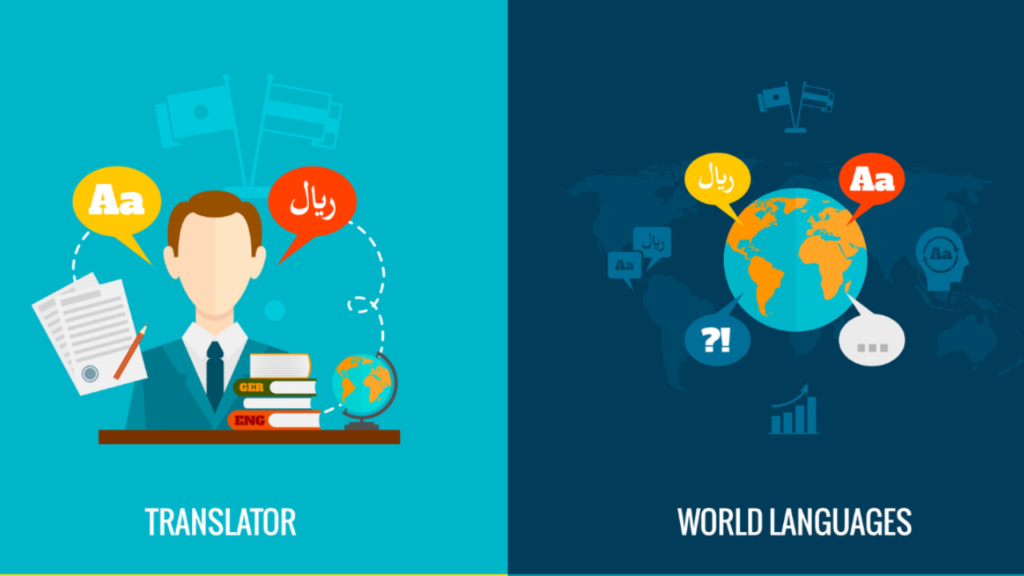
No, translation and localization are not the same. Technical terms aside, word-for-word translation can be correct, but it might strip your visuals of their value. Localized captions, however, add value by considering cultural context.
5 Pillars for Smarter FMCG Marketing Localization Plan
As you scrap these mistakes from your localization to-do list, replace them with these proven FMCG marketing tactics:
Keeping Local Seasonality in Mind
Let’s admit it: consumer shopping behavior is anything but stable. Sometimes, people wipe the shelves clean within hours. Other times, shelves sit untouched for days. This is why you can plan your launches and campaigns around peak seasons, such as Ramadan, Eid, and the New Year.
Starting From Consumers
Gone are the days of dictating your brand’s message. Now, a successful FMCG marketing localization campaign starts with listening to the audience. Reach out to them on social media and collect their views and expectations. Then, translate those real-life insights directly into your next marketing asset.
Building Regional-Specific Creative Messages
Highlight year-round occasions across the region. Start early with personalizing F&B marketing messages. Don’t copy-paste what your audiences might have already seen on foreign pages.
Engaging Local Voices that Drive Real Influence
FMCG marketing localization isn’t just about the right occasion and language tone. It stretches to picking voices that resonate well with your brand. That means partnering with niche influencers who are knowledgeable in your industry. A relevant nano influencer will do more good than a big name in an unrelated industry.
Aligning with Sales& Distribution Realities
A successful FMCG localization marketing campaign isn’t isolated from business facts. For instance, avoid creating a buzz over a specific product during a supply chain crisis. Keep your messages realistic, so your audience trusts your promises.
Garbage in, garbage out! If you just wait for HQ content or auto-translated captions, mediocrity will be the only outcome. Running on autopilot mode with your FMCG marketing localization results in generic, repetitive, and out-of-place content.
Giving up? Not just yet! Stop recycling consumed messages and innovate them. Already overwhelming? Subscribe to our newsletter to get inspiration on crafting awesomely localized FMCG marketing messages!