Are you investing heavily in FMCG advertising campaigns across the GCC but not achieving the desired return? Do you assume that scalable campaign success is guaranteed because you are increasing ad spend into platform algorithms? Do you get disappointed when you end up with millions of views and minimal conversions? Is understanding why FMCG ads in MENA are not converting a hard puzzle?
While the easy answer is to blame low budget or media buyers, low conversions are more complicated. It could stem from weak audience targeting, irrelevant messaging, poor campaign structure, or sending the right audience to the wrong destination.
Do you need help identifying the root causes behind this problem? Keep reading as we reveal why FMCG ads are leaking budget, not converting, and proper optimizations you can implement immediately to protect your budget and increase your ROI.
Looking for a way to achieve better conversion rates through your promoted content? Our paid media services target really interested customers and ensure higher ROI.
1- Reaching More People vs. Real Grocery Buyers
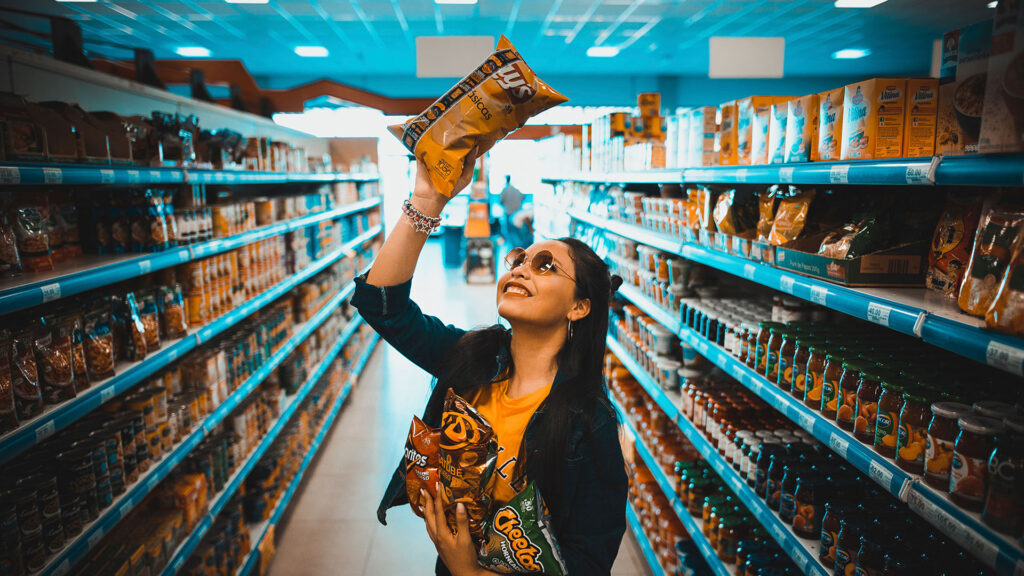
The more, the “merrier” principle doesn’t always work in FMCG marketing. Your newly launched lactose-free milk doesn’t need broader reach to generate more sales. It needs to reach the people most likely to add it to their grocery basket. Usually in the domain of the premium and health-conscious shopper layer.
Paid advertising platforms such as Meta, TikTok, and X usually optimize campaigns based on the objective you select. If you optimize for reach without defining the right audience, the algorithm simply delivers your ad to as many people as possible. High view counts don’t move products from supermarket shelves.
Our approach in fixing why FMCG ads in MENA are not converting starts with identifying the household grocery decision-maker. Before spending a single cent on advertising, we ask questions like:
- Who usually prepares the weekly grocery list?
- Who places quick-commerce orders through Talabat Mart or Noon Minutes after work?
- Who compares healthier breakfast options while shopping in Carrefour or Lulu Hypermarket?
Specific answers to these questions minimize the chances of targeting wide demographics. Instead, they allow us to reach those who are looking for products we are promoting.
2- Real-life Products Failing Recognizability Tests
Many brands believe that a successful ad is the one that stops users from scrolling. While this is a correct concept, it isn’t the end goal of campaigns. An impressive video can definitely draw the right attention. However, when the product isn’t highlighted properly inside the content, shoppers are left confused at the shelf.
Instead, the best approach is to familiarize audiences with the product’s visible elements. For instance, the first three seconds of a video must focus on the logo, colors, and packaging style. This way, the ad makes the product remembered as it is.
3- Purchase Uncertainty and why FMCG Ads in MENA are not Converting
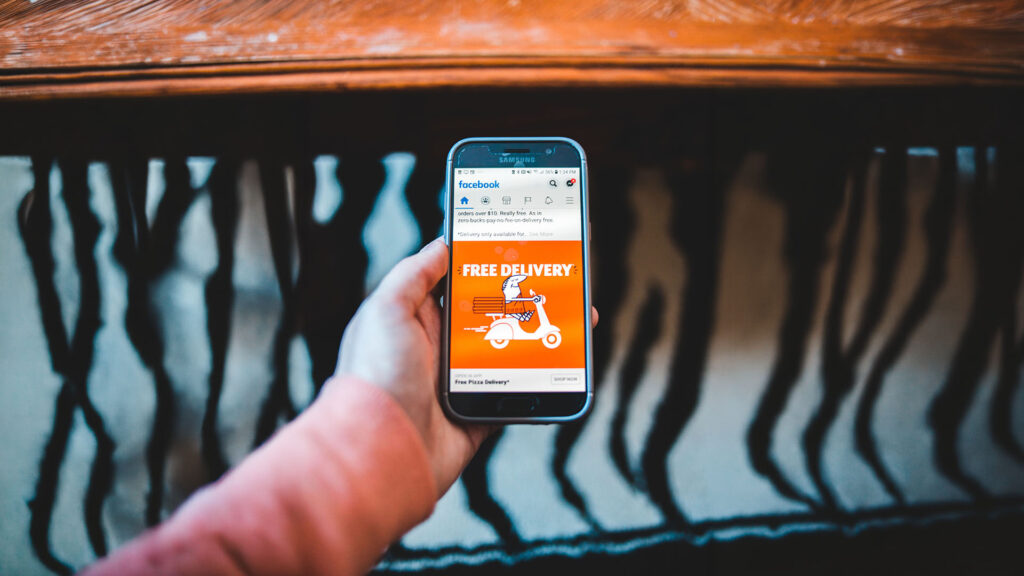
Aside from the visual identity confusion, many consumers face a real struggle at the shelf. They hesitate when reaching their hands to the shelf as numerous questions occupy their minds. Questions like:
- Does it actually taste good?
- Is the packaging size practical for my family?
- How do I even cook with this ingredient?
- Will my kids refuse to eat it?
In fractions of a second, these products can either support or discourage a purchase decision. To nip these doubts in the bud, don’t just show the product; make a creative asset. Make it a live demo that offers a real user experience.
For example, many of our St. Dalfour Arabia recipe videos focused on the texture while using the spread in meals. Others highlighted the convenience of family-sized jars that make the product sufficient for a big family.
For more details and insight into our St. Dalfour Arabia campaigns, check out our detailed St. Dalfour case study and find out how we managed to turn the challenges into turning points for the product’s digital success.
4- Promoted Content and Product Availability
While your best piece can drive people to supermarkets, directing them to empty shelves does more damage than good. The same thing happens when they feel forced to navigate multiple e-commerce platforms for an out-of-stock product.
For that reason, we focus on promoting content that clarifies the availability issues. Our paid media structures and deep linking strategies place the buyer exactly one click away from checkout. We always advise our clients not to redirect interested customers to a generic about us page or a broken web link. When suitable, we implement direct purchase through one click. This strategy will instantly place your promoted SKU into a pre-filled cart on Talabat, Ninja, Noon Minutes, or Amazon.
5- Failing to Give Customers Reasons to Buy Now

Excessive offering of lucrative discounts is one of the reasons why FMCG ads in MENA are not converting. Discounts alone rarely convince FMCG shoppers in MENA to buy. According to PwC’s Voice of the Consumer 2025, affordability remains important, but consumers also evaluate food products based on taste, brand trust, health, and convenience.
How to Add Value to Ad Campaign to Make it High-Converting
Since most audiences in the GCC are expecting value from the ads, don’t expect them to simply respond to vague offers or weak CTAs. The value you are offering must address the thoughts on a shopper’s head, such as:
- Why should I buy this fruit spread today instead of next week?
- Why choose this yogurt over the ten other alternatives on the same shelf?
Our analysis of many paid media campaigns shows that high-converting ads tie the product directly to real-time household contexts and urgent seasonal demands across the Middle East.
As we created different promoted UGC videos for St. Dalfour Arabia, we focused on making the spread useful in real life, with accessible recipes, not just premium or gourmet items. This resulted in thousands of high-intent saves and shares.
6- Ignoring Paid Media Retargeting
When answering why FMCG ads in MENA are not converting, we look at all the other campaigns. Through studying multiple campaigns for different clients, we found that many of them appear abrupt. This means that the promoted content doesn’t cover every phase of the shopping journey. Consumers rarely see a single paid ad for a new food or beverage product and immediately get up to drive to a supermarket to buy it. Most FMCG consumers in MENA and GCC consider grocery shopping a deep-rooted routine that is built on comfort and familiarity
We don’t push a couple of boosted posts and turn them off in a week if the conversion rates remain the same. Our approach is divided into different phases that appear as a connected and multi-layered story.
- First Contact: The consumer scrolls and stops for an authentic, localized creator. This video shows how to use your ingredients to prepare a premium dessert.
- Reinforcement: Two days later, they see a clean, product-forward video highlighting the SKU’s high visual recognition and brand color.
- The Convenience Push: A day later, they receive a targeted paid ad offering a direct, single-click link to order that exact item at Noon during an evening relaxation window.
- The Retail Conversion: On Friday morning, they walk down a Panda, Kazyon, or Metro hypermarket aisle. They spot your distinct and familiar packaging, and your product’s memory is recalled.
For FMCG brands in the GCC and MENA, every stage matters. The strongest campaigns don’t simply generate impressions. They guide consumers from product discovery to confident purchase decisions, both online and on supermarket shelves.
Do your paid campaigns generate impressive numbers but disappointing sales? Contact us today to request a paid media audit. Our experts will help you identify performance gaps and uncover quick-win opportunities to improve conversions and ROI