Do you feel that your social media pages are doing well at engaging and entertaining audiences, yet this performance never translates into stronger product demand, retail sales, or purchase intent? As we analyze the causes behind this failure, we always reach the same finding. It’s a problem of social media strategy for FMCG food and beverage brands, not the asset or the platform
Just like Many food and beverage brands in the MENA region, you still treat social media as a publicity brochure or simply another publishing channel. What you lose in the process is how consumers discover, remember, and eventually choose your products.
Trying to improve your social media strategy through increasing posting frequency, changing topics, and improving visual quality without luck? Our social strategy services help food and beverage brands in MENA turn online visibility into stronger product relevance and long-term brand growth.
1- Social Media Starts Before the Shopping Trip

When working on content calendars, most teams ask, “What should we post today?” Eventually, they fall into the trap of repeating similar ideas or publishing contradictory content.
We avoid this by asking a different question: “What do we need shoppers to remember the next time they stand in front of the supermarket shelf?”
This is where the concept of mental availability comes in for social media strategy for FMCG food and beverage brands. It is what makes a specific product come naturally to the minds of shoppers when they reach the jam, dairy, or snack aisle.
Our approach in reaching this level of familiarity relies on repeated and meaningful exposure. Social media allows food and beverage brands to place their products in front of consumers long before they enter Carrefour, BIM, Lulu Hypermarket, or open a Talabat or InstaShop delivery app. Over time, these repeated interactions strengthen brand recall. As a result, shoppers become more likely to choose your product when making quick purchasing decisions.
2- Building Consumption Habits for Social Media Strategy for FMCG Food and Beverage Brands
Consumers rarely remember food and beverage products because of their features alone. They remember them because they associate them with specific moments in their daily routines.
According to the Euromonitor report, the demand for healthier, minimally processed foods continues to grow in the UAE. However, these positioning statements alone are no longer enough to stand out. Your brand is not the only one promoting natural ingredients, premium quality, sustainability, or health-conscious choices.
What creates a stronger competitive advantage is showing consumers exactly when and how your product fits into everyday life. Instead of simply saying what your product is, demonstrate where it belongs.
For example, much of our St. Dalfour Arabia content featured convenient breakfast ideas for busy school mornings or snack items for a family gathering or a summer vacation.
3- Give Customers Many Reasons to Buy
Few consumers buy a box of cereal simply because it’s a convenient breakfast option. If that’s the only reason they associate with your product, you limit its relevance to one consumption occasion.
Our goal is to expand those occasions through content. Instead of promoting one use case, we build a content ecosystem that gives consumers multiple reasons to reach for the same product.
The same cereal box can become:
- A quick weekday breakfast.
- A road-trip snack for children.
- A light office snack between meetings.
- Part of a post-workout meal with yogurt and fresh fruit.
Want to see how these principles work in practice? Explore our St. Dalfour Arabia case study to discover how we transformed one campaign idea into recipe content, creator collaborations, paid media, and consistent social media growth across the GCC.
4- Make the Product Easier To Remember
Many brands come to us with beautiful creative assets that reflect significant investment and strong messaging. Yet they fail to achieve the expected commercial impact.
When we investigate further, the issue is often simple: shoppers remember the content but not the product.
That’s why our creative production process for social media strategy for food brands gives the product itself a leading role. We make the packaging silhouette, signature colors, and logo immediately recognizable, especially during the first few seconds of a video. In static visuals, the product remains the focal point rather than blending into the background.
5- Treat Product Recipe As Trials
The goal of recipe videos for food and beverage products isn’t to prove cooking skills. Whether made by an influencer or a brand’s team, we always treat it as a product demo. Their main purpose is to offer real answers to different questions that cross a shopper’s mind while standing at a supermarket aisle.
Questions like: Will I like the taste? Is the texture right for my cooking style? How long will it take me to prepare this after work? can cause hesitation if they remain unanswered. A well-executed recipe video can address and dispel these doubts before you spend a single Riyal or Dirham.
6- Content Calendar Must Follow Retail
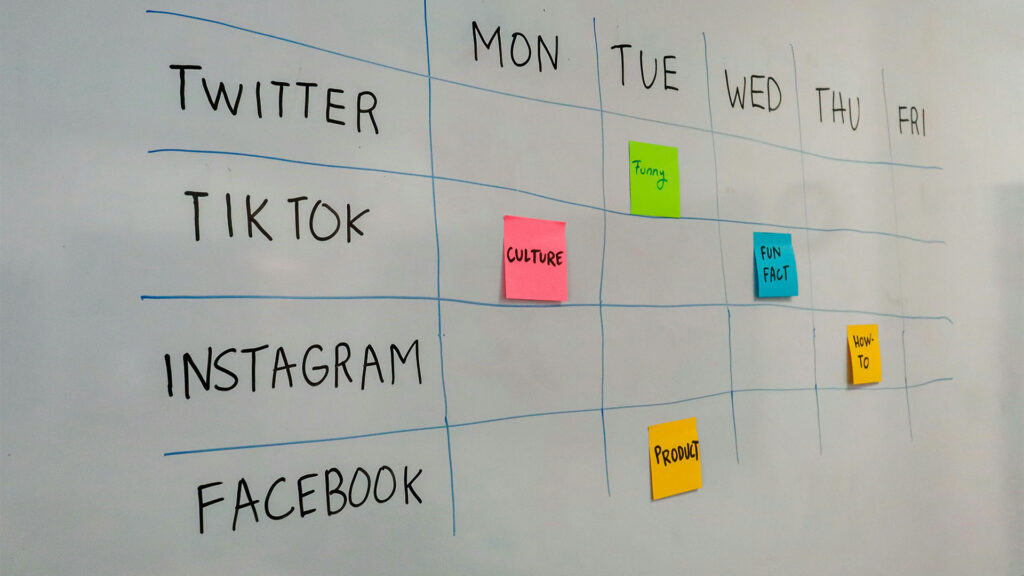
Riding different trends is a good thing for temporary visibility, but this rarely leaves a mark on sales. What you need instead is a content calendar that reflects retail and consumption reality.
For example, during the weeks leading up to Ramadan, content naturally shifts toward bulk buying, family gatherings, hospitality traditions, and recipe inspiration.
Before Eid, the focus moves toward homemade Kahk, biscuits, Petit Four, desserts, and gift-worthy food ideas featuring the product. For Eid Al-Adha gatherings, the strategy adapts outdoor BBQ gatherings or relaxing tea consumption rituals.
This way, content won’t interrupt the usual consumer behaviors. Instead, it becomes part of it.
7- Turn Engagement into Content Ideas
Every interaction tells a story about what consumers value most. When a recipe video receives significantly more saves, or a product photo generates repeated purchase questions, we don’t see it as a one-time success. We treat it as consumer feedback.
Instead of constantly chasing new ideas for social media strategy for FMCG food and beverage brands, we build on the content formats audiences have already validated. This way, content becomes a continuous source of consumer insights that don’t just measure current performance. These insights help shape future campaigns, creative production, and commercial decisions.
A successful social media strategy for FMCG food and beverage brands is measured by how often your products come to consumers’ minds when they’re ready to shop. The right strategy doesn’t just fill a content calendar. It makes your products more relevant, recognizable, and easier to choose.
Don’t like where your social media strategy is heading? Contact us now to book a free strategy consultation to evaluate your current social media approach. We’ll identify opportunities to strengthen product visibility and build a content strategy that supports real business growth across the MENA region.