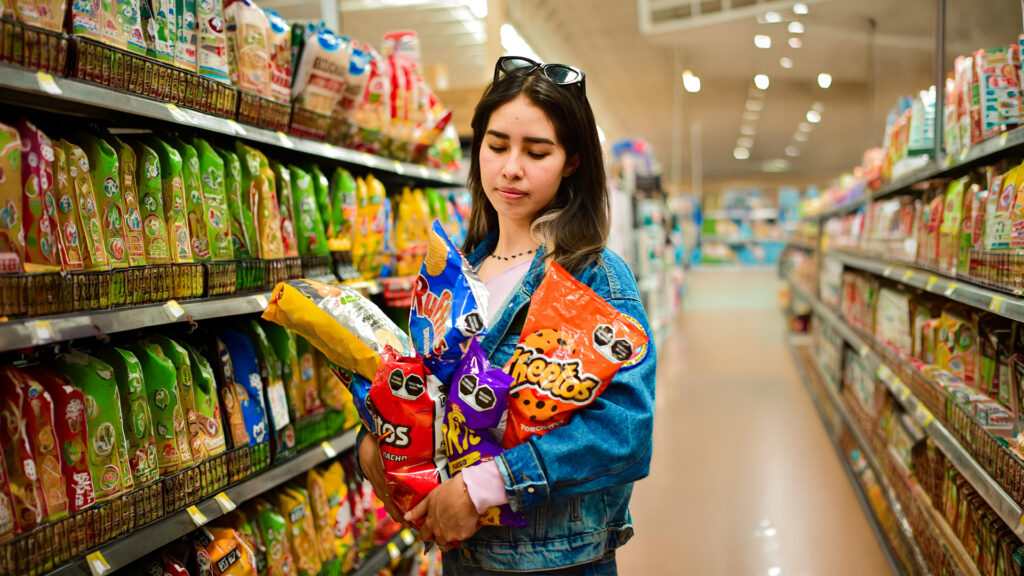
As you outline the cornerstones of your FMCG marketing strategy in MENA, you check off paid ads, blog posts, social media execution, trade marketing activities, and, of course, influencer collaborations. Now, everyone is turning to influencer marketing for FMCG brands, thinking they are the magic tool for increased sales. However, not all influencers are created equal, nor can they work interchangeably for all brands. They differ in niches, influence level, size of reach, and audience quality.
Also, your current position in the market defines your goals. You might be building awareness, encouraging product trials, strengthening shelf recall, or driving direct conversions.
Wondering how you can succeed in the Influencer selection framework for FMCG brands in MENA and GCC? Keep reading as we reveal the 6 fundamentals for influencer selection for FMCG Brands in MENA.
Since choosing the wrong influencer can backfire, our team follows a strict influencer vetting checklist for FMCG brands in MENA. Our influencer marketing and UGC services carefully match each brand with the right influencers that can fulfill their specific goals at every stage of the funnel.
How to Implement a Proper Influencer Selection Framework for FMCG brands in MENA and GCC
As you seek influencer marketing collaborations for FMCG in MENA, you should not settle for the bigger number of followers. It takes concentration on content quality, relevance, and long-term cooperation potential.
1- Focus on Audience Relevance
When working on your influencer vetting checklist, your priority shouldn’t be Mega influencers. They are not always the most effective or most aligned with your goals. What we always look for in influencers is whether they speak to the same audience as our clients.
For instance, you can’t seek a movie enthusiast blogger to appear in a video featuring your latest potato chip line. Your go-to choice in this case is a food creator who already attracts the same audience segment and has experience creating snack reviews, tasting content, or casual consumption videos.
2- Analyze Engagement Quality and Trust Signals
As you consider potential candidates for influencer collaborations, you might be impressed by their views and engagement numbers. But this is not what we consider a proper Influencer selection framework for FMCG brands in MENA and GCC. What makes a real difference is engagement quality and audience interaction with the creator’s content.
At the same time, the influencer’s credibility remains non-negotiable. This is because FMCG consumers prioritize trust in items they eat, drink, or apply to their skin. They build such trust when they feel that the content creator is giving them an honest recommendation. What breaks this trust is when the content appears artificial or promotional.
This is Coca-Cola’s approach for its social media campaign #ThisOnesFor. The brand invested in collaborations with 14 micro influencers. To promote classic Cokes in Western Europe, the campaign resulted in over 170k likes for Coke’s Instagram page.
3- Review Past Brand Collaborations in Influencer Selection Framework for FMCG brands in MENA and GCC
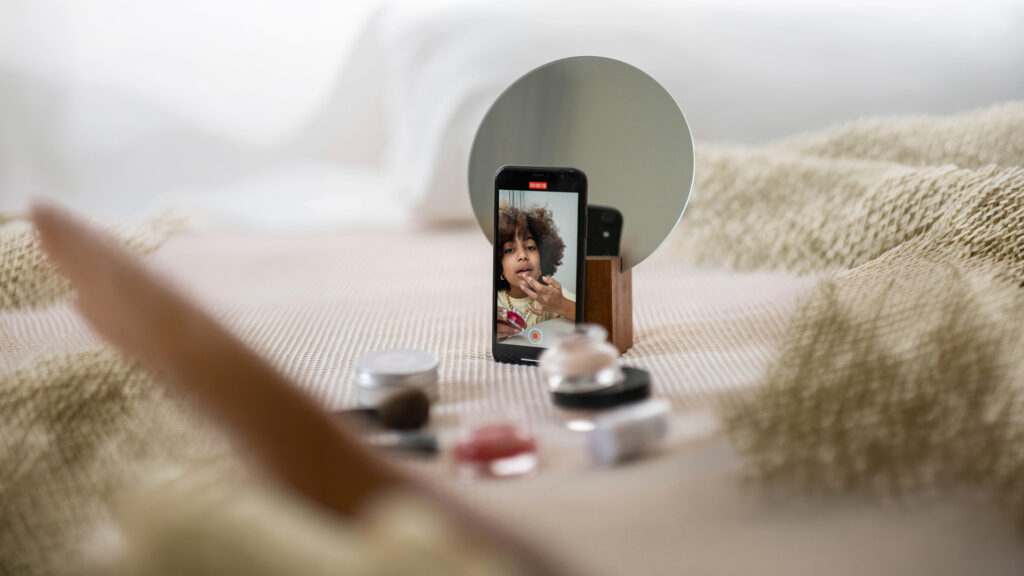
Similar to doing a background check on your employees, you’ll want to investigate previous brand collaborations. This step reveals the influencer’s way of handling sponsored content. Through viewing past collaborations, you can find answers to these questions. Do they integrate it naturally? What kind of reaction do they receive? And how do they respond to their audiences?
Additionally, our team watches out for excessive partnership saturation. This happens when the same influencer promotes competing or unrelated products across different niches in a short window of time. Our regional data shows that inconsistency in tone and partnerships weakens the audience’s trust in the influencer’s credibility.
4- Evaluate Content Style and Storytelling Ability
Storytelling is a huge asset for influencers. Without it, the content feels unrelated and becomes easier to forget. What we always look for in a creator who communicates experiences naturally. For example, when working on St. Dalfour campaigns, we looked for influencers with strong storytelling abilities. Need in-depth coverage on how we handled St. Dalfour’s introduction to the GCC market? Subscribe to our newsletter for more relevant content!
This is similar to Coca-Cola’s Ramadan campaign “Dark Iftar – No Labels.” Instead of relying on the usual glossy Iftar gatherings, the campaign created a social experiment. It was centered around a group of local and international influencers gathered to share conversations around an Iftar table in complete darkness. They could only see each other for the first time when the lights returned. The concept allowed each participant to reveal personality, emotions, and perspectives naturally throughout the interaction, reinforcing the campaign’s message that “labels are for cans, not for people.”
5- Look At Audience Behavior Signals in Influencer Selection Framework for FMCG brands in MENA and GCC
Your Influencer selection framework for FMCG brands in MENA and GCC can’t stop at the follower count and engagement rates. What matters more is whether this audience can become actual shoppers. For that reason, we ensure influencers and their audiences are located within our partner’s primary locations. We also evaluate their interaction in the comments, in terms of language and product-related explanations.
6- Build Long-Term Influencer Relationships
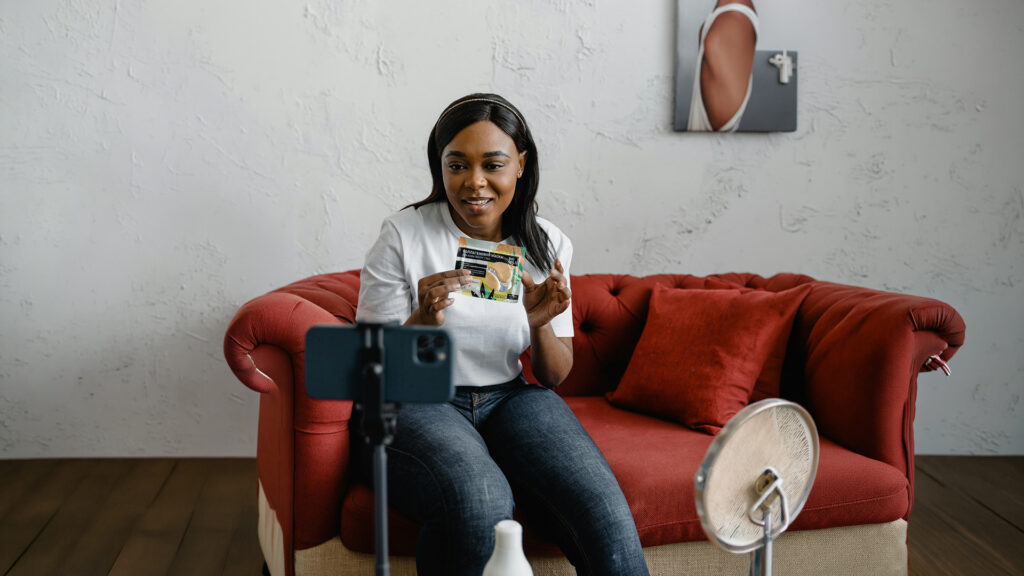
As we always recommend, consistency is key for continuous trust. Therefore, you should aim for long-term collaborations. Unlike long-term partnerships, a one-off post can easily fade into the background.
Building a proper influencer selection framework for FMCG brands in MENA and GCC goes beyond chasing follower counts or viral trends. The real challenge lies in finding creators who match your audience, communicate naturally, and can position your products within authentic daily behavior.
When audience relevance, storytelling ability, trust, and long-term consistency come together, influencer marketing shifts from temporary visibility into actual commercial impact.
Need help building an influencer selection framework that aligns with your FMCG brand goals in MENA and GCC? Reach out for a free consultation to discuss whether your current influencer strategy is driving attention only or real purchase behavior.