
In the past few decades, one thing that has defined most FMCG campaigns has been reliance on intuition. This worked before because the decision-making process was nothing more than a judgment call based on past experiences and limited data. But in the 2020s, this can easily push you out of the fierce competition, where agencies implement an AI marketing strategy for FMCG brands.
What defines this phase is the short life cycle of the product, high competition on shelves, and constant promotions. Add to that the fast pace of marketing evolution that demands going beyond full reliance on manual workflows. Instead, data infrastructure, automation, and advanced analytics that are assisted by AI, not defined by it. While most brands and agencies use AI, the problem lies in how they do it.
Keep reading as we share 7 ways to use AI efficiently without reducing your FMCG marketing strategy to templates or losing control over brand direction.
The FMCG360 AI Marketing Strategy for FMCG Brands
At FMCG360, we don’t replace human insight with technology. Instead, we enhance performance using it. For instance, we employ it to automate the administrative lag and reduce the time between data collection and actionable decisions.
Struggling to keep up with competitor activity across channels? Our competition analysis service uses data-driven tracking and performance insights to highlight gaps and enable you to make informed decisions.
1- Automate Repetitive Tasks
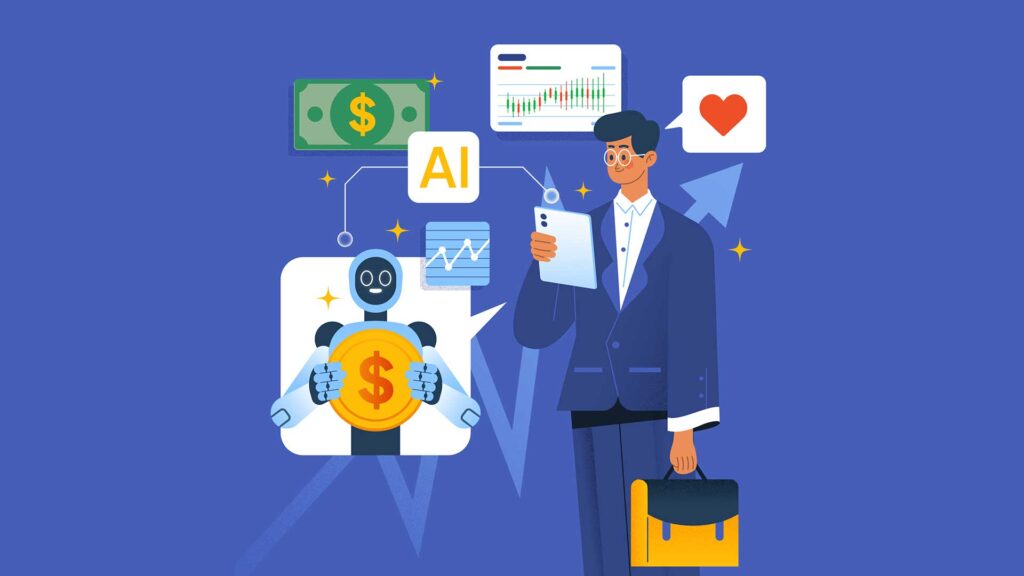
In many cases, reporting updates, internal status emails, and campaign summaries follow a repetitive structure. Instead of rebuilding these from scratch every day, atomization can keep things on track with minimal effort. It can standardize these processes while keeping the output reliable and consistent.
Scheduling can be achieved through automation by aligning posting calendars and campaign timelines without constant manual intervention.
What you can’t delegate to AI, however, is strategic decision-making and creative direction. These tasks require deep levels of interpretation and contextual judgment.
2- Personalize Content Using AI Marketing Strategy for FMCG Brands.
This is not a call for generating content with AI. This approach results in surface-level messaging that destabilizes your credibility and weakens your unique voice. In FMCG marketing, brand identity is a key factor for loyalty and repeat purchases.
What we recommend instead is understanding the customer needs and using AI to support segmentation and adapt messaging. This can always tie to understanding user behavior, preferences, and shopping patterns.
According to a report by McKinsey, 65% of customers consider targeted promos a powerful reason to purchase.
The challenge here lies in setting limits to AI intervention. It shouldn’t be your brand’s voice; instead, it can help in guiding what to say to whom.
Does your budget allocation appear tough to handle? Take our 7-question quiz to understand what drains your budget!
3- Optimize Ad Spend with AI Marketing Strategy for FMCG Brands
FMCG budgets are known for tight margins and high expectations for immediate returns. For these reasons, inefficient spending is one of the fastest shortcuts for losing competitiveness. We utilize predictive models to identify the channels, audiences, or assets that are more likely to convert. In reality, this can’t prevent financial risks, but it reduces unnecessary testing cycles.
This integration of an AI marketing strategy for FMCG brands puts an end to guessing and replaces it with reliable forecasting that shortens the path to more efficient spend decisions.
4- Analyze Sentiment and Audience Insights
Most marketing agencies rely on performance metrics, but these don’t reflect the whole picture. We always see campaigns generating clicks and impressions, but never building a positive perception. That’s why most agencies focus on analyzing audience sentiment but overlook the real-time factor. By the time you receive a sentiment analysis report, the trend you were aiming for may have already shifted.
For us, technology facilitates real-time capture of audience pulse by scanning thousands of data points across forums and social media. This way, we can tweak messaging or address the supply chain issues before affecting the shelf visibility for FMCG brands.
5- Enhance Customer Service with Chatbots

FMCG customers expect speed in answering their inquiries. They often have questions regarding stock availability, ingredient clarification, or dietary labeling. In such high-frequency interaction cases, automation can efficiently handle the questions.
To avoid this result, we strike a balance in using automation. On one hand, it should handle quick and surface-level inquiries. On the other hand, sensitive interactions, such as complaints, feedback, and deep conversations, should remain in the hands of human customer support agents.
6- Scale A/B Testing for Maximum Impact
Thanks to automated testing frameworks, multiple creatives and ad copies can be tested and monitored simultaneously. This step of the AI marketing strategy for FMCG brands shortens the weeks of manual monitoring to achieve faster identification of what resonates with different audience segments across MENA within hours.
But our challenge remains to accelerate learning outcomes to draw a clear hypothesis of what truly clicks. This way, we scale budgets based on proof, not assumptions.
7- Leverage AI-powered SEO In AI Marketing Strategy for FMCG Brands
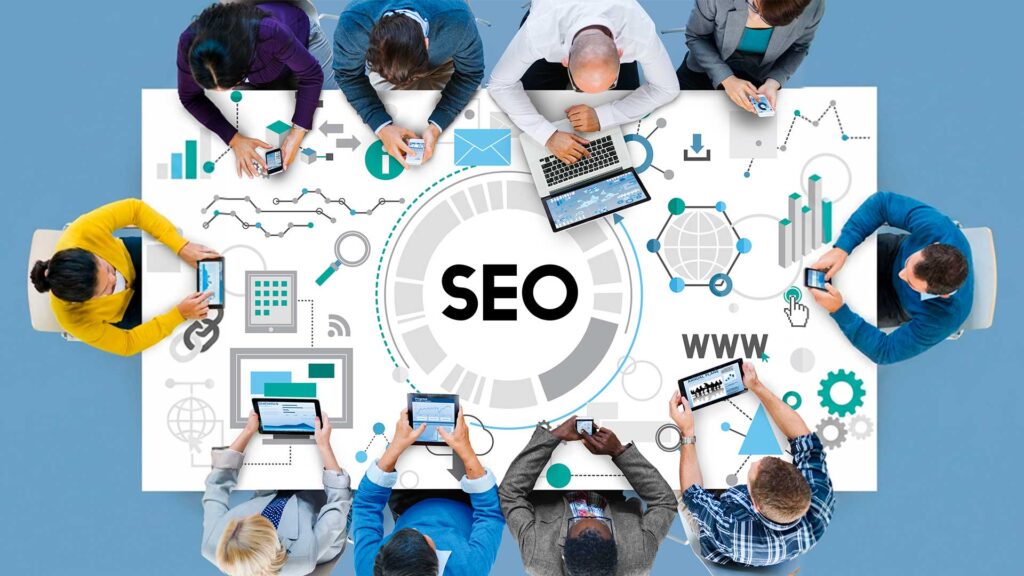
It’s no longer optimization for Google or Bing. SEO has now become a broader term that extends to how brands appear across both search engines and GEO or AI-driven discoverability.
We understand that the purchase journey often begins with a clear search intent or a direct question, such as what’s the best gluten-free snack in KSA. The question format can be in a standard search bar, voice commands, or AI assistants.
We use AI to identify keyword and search intent gaps. As we improve the content and rankings, we tie them to the brand reality and its clear positioning. This is how we build discoverability that reflects real consumption behavior.
Ready to move from fragmented optimization to a structured, data-backed approach? Reach out to our team and arrange a free consultation to evaluate how your current campaigns perform and where automation and analytics can improve efficiency.