
4 Proven FMCG Advertising Strategy Tips For Better ROI
Is your FMCG marketing plan heading south? Then, you may have done what many brands do when numbers keep dropping. You hit “ boost post”, set your tiny budget, and waited for magic to happen. Except it never does. It’s because boosting isn’t a plan. It’s a quick fix, disguised as a strategy.
In the FMCG world, competition is ruthless, and survival isn’t about visibility. It’s about moving the goods off the shelves. Spending some money on boosted ads might get some impressions, but it won’t create demand for products.
So, how do you make advertising work in FMCG marketing? Keep reading as we reveal the top-performing FMCG advertising strategy tips that make you hit the bullseye.
Why You Need FMCG Advertising Strategy Tips?

The FMCG industry is packed with brands offering nearly identical products at similar price ranges. Consumers also change their minds by the minute and make purchase decisions in a second.
When everything looks almost the same on the shelf and in reality, standing out remains a challenge. The only hope left is addressing the right customer at the right moment. You need a message strong enough to trigger action, not passive visibility.
That’s where planned paid ads fit in. A structured approach allows you to instantly show up where your audience is. Better yet, your message pops up right when they are ready to make a decision. This way, you can push them to try a new product, ditch your competitor, and pick you during a peak season.
But random boosting won’t get you even close to any of these results.
4 FMCG Advertising Strategy Tips
It’s not a coincidence that our ads generate revenue. It’s a result of working on these four FMCG advertising strategy tips with precision and control.
Audience targeting matters
Paid advertising isn’t meant for everyone. In FMCG, your target audience is not a single group. They are scattered across various groups with different lifestyles, ages, shopping habits, and locations. If you don’t consider these differences, your ads will leave no impression.
It’s time to activate the smart targeting mode. It’s when you look deeply into real consumer data that shows vital information, like interests, shopping behaviour, and past purchases. This way, you can narrow your reach to the people who are most likely to respond. You can collect useful data while making your audience happy through gamified experiences.
For instance, if you are promoting lactose-free milk, sending a generic message to everyone won’t sell. Instead, tailor your message for audiences for groups who have shown interest in lactose-free products, or have actually bought dairy alternatives. At this moment, your ad turns from generic into relevant. And in FMCG, relevance is a trigger.
Creative optimization is key
The eyes eat first is not just a rule for food. It runs the show in FMCG advertising. That’s where DCO, or dynamic creative optimization, comes in. Its power has nothing to do with flashy effects, but the ability to interrupt scrolling and grab attention instantly.
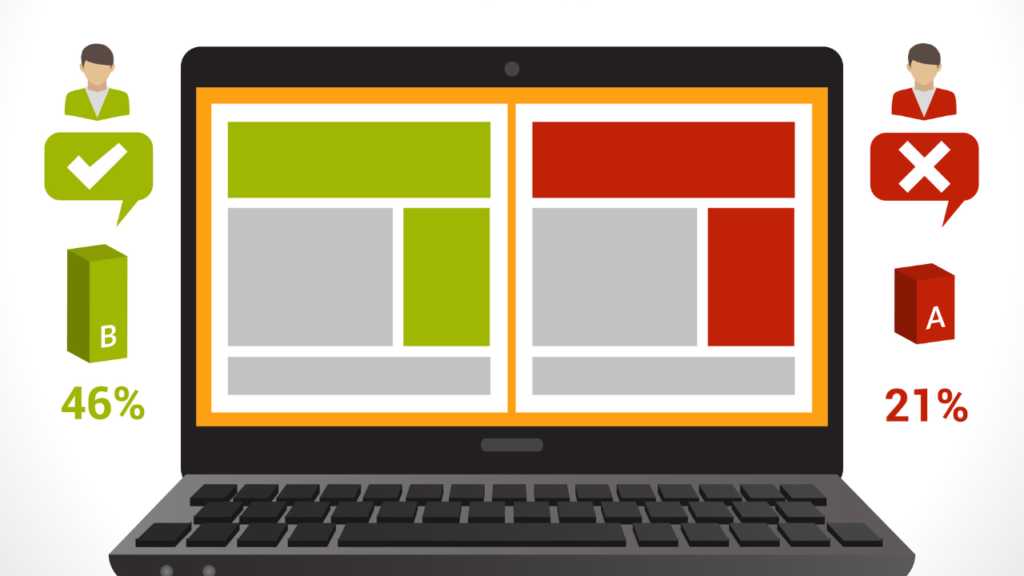
DCO is about using collected user data to build multiple versions of the same ad. In each one, you’ll use different headlines, copy variations, visuals, angles, and layouts. Then, you launch them on a small scale and leave things up to algorithms. Its role is to decide which combo delivers the best performance.
Think of it as the latest update of A/B testing. But instead of tweaking one element at a time, simple changes, you’ll run a big range of creative modifications simultaneously. Then, you let them compete in a real-world survival battle.
Campaign structure drives results
Are you counting on one booming ad and disappearing? In this case, you won’t go beyond a few likes and some clicks, but that’s where the story ends. Your money is gone, and you’ve built zero momentum.
What actually builds momentum is a structured ad campaign with clear objectives and measurable KPIs. You want to place your money on a campaign that accompanies shoppers throughout the entire funnel.
This type of organized work gives you power and control over what audiences see first and what they find next. Control eliminates randomness. And the latter kills ROI in FMCG advertising.
Data informs every step
With solid data in your hand, you don’t need a hunch. Data gives you a strategic framework where you can monitor, adjust, and optimize each step in real time.
This means you’re not letting the ads run on autopilot. You are watching the echo of each decision. You’ll also recognize what works and spot what underperforms. Then you’ll scale the winners and cut off the losers.
Implementing these 4 FMCG advertising strategy tips can turn a random ad boosting action into a structured and result-driven campaign. Say goodbye to random work and take control with data, precision, and strategic planning.
Need help figuring out a comprehensive FMCG advertising strategy? Book a consultation today and let our experts help you transform a one-off ad boost into a campaign that drives sales. cision. You’ll also recognize what works and spot what underperforms. Then you’ll scale the winners and cut off the losers.
Implementing these 4 FMCG advertising strategy tips can turn a random ad boosting action into a structured and result-driven campaign. Say goodbye to random work and take control with data, precision, and strategic planning.
Need help figuring out a comprehensive FMCG advertising strategy? Book a consultation today and let our experts help you transform a one-off ad boost into a campaign that drives sales.