Organic vs. Paid FMCG Digital Marketing Strategy
Trying to figure out your FMCG digital marketing strategy? Do you look around for inspiration? Instead of inspiration, you find two teams pulling in different directions. One believes in posting regularly and hoping for organic traffic. The other keeps pouring cash into paid ads, chasing dreams of going viral.
The organic vs paid FMCG digital marketing strategy and social media engagement dilemma has divided FMCG digital marketers for years. But the truth is, choosing one over the other is no longer working. What works better? A dynamic duo of paid and organic FMCG digital marketing strategy.
Why Combine Paid/Organic FMCG Digital Marketing Strategy?
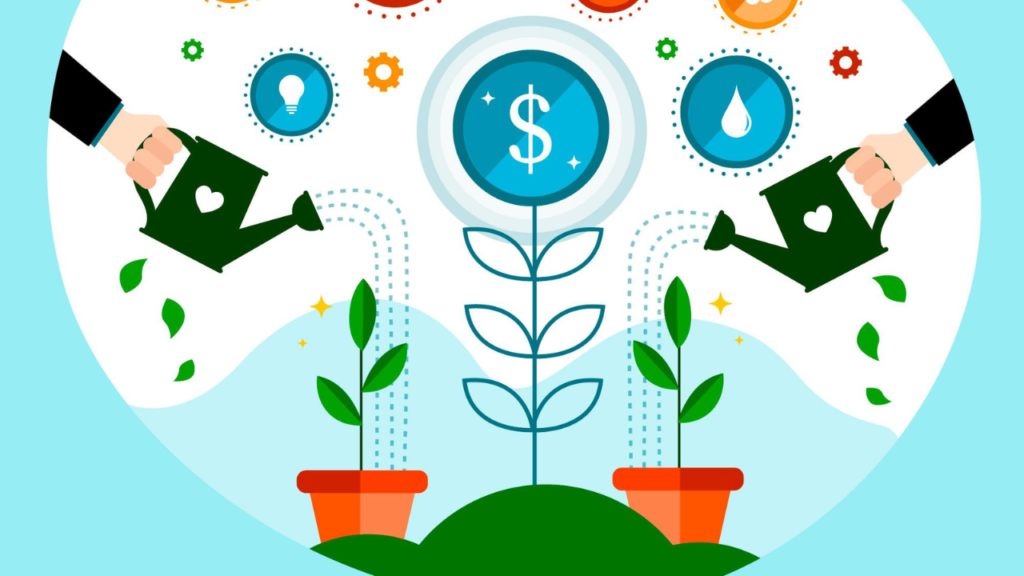
Through solid expertise in managing our campaigns, we’ve reached the right equation that balances paid and organic tactics. Using these tactics to complement each other, not against each other, is the most effective formula.
A research paper by Cornell University highlights this complementary relationship. The study finds that every $100 a company spends on paid app ads leads to 37 direct installs and 3 organic ones.
This stretches way beyond the app world. Take this concept to your FMCG digital marketing strategy, and you can use paid campaigns to increase organic awareness.
So, how does our formula work? It’s a three-step process:
Start with Content
Focus on writing and posting meaningful and unique written or visual content. This can gradually raise awareness and develop interaction.
Amplify Your Main Messages
Launch paid campaigns that can push main marketing messages to the right audience at the right time. For example, you can announce a new line launch during the Eid season.
Close the Loop with Insights
Paid campaigns return with immediate conversion insights. Meanwhile, organic tactics figure out what resonates with your audience. Together, they create a feedback loop that can be utilized for effective targeting and better ROI.
Important Considerations Before Shifting to Paid/Organic FMCG Digital Marketing Strategy
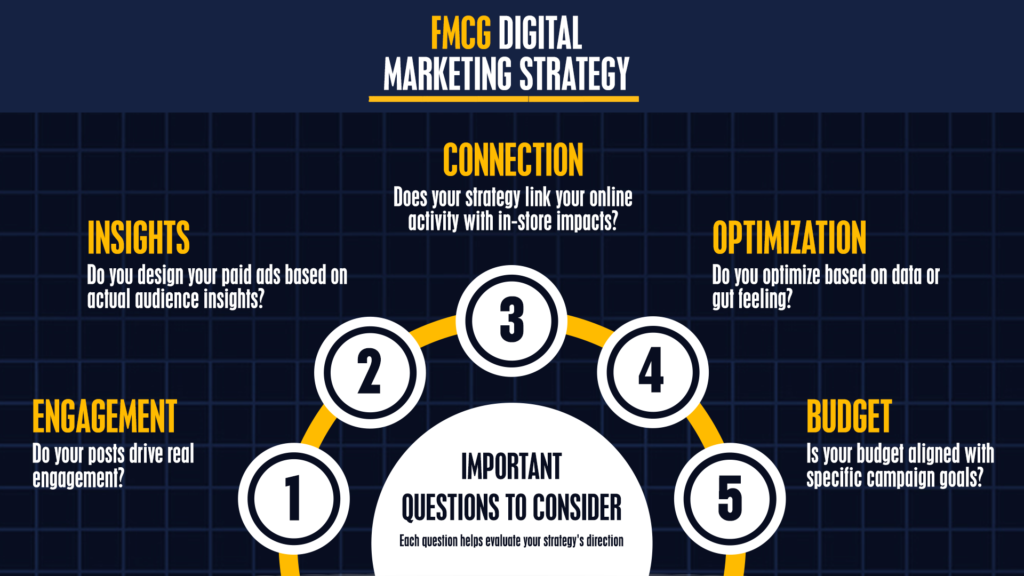
Now you are scratching your head trying to pinpoint the flaws with your potential paid or organic FMCG digital marketing strategy. While at it, you might consider some questions to help you determine whether you are driving in the right direction.
Are your organic posts driving real engagement?
Driving real engagement goes beyond a few likes. It involves asking questions or sharing inputs, recommending the content to social circles, and so on.
Are your paid campaigns informed by actual audience insights?
Major ad platforms, such as Meta and Google, provide access to analytics that allow you to view your ad performance firsthand. It’s not just about who liked or commented on your ads. It’s invaluable data that can answer many fundamental W-questions, like where and when they are interacting with your ads the most. Collecting and analyzing this data gives you the privilege to optimize in a way that leads to more success.
Do you have a strategy that connects digital activity to in-store impact?
Your online FMCG digital marketing strategy should have a reflection in your actual sales. It can’t stop with engagements and interactions. It must be tied back to the situation of your shelf. You have a winner FMCG digital marketing plan when your digital activity translates into in-store action and traction.
Are you optimizing based on data, not assumptions?

You are shifting from Facebook to TikTok because things feel slow there? Well, following the hype isn’t a sound strategy. Always prioritize data-backed decisions over gut feelings.
Is every dirham spent aligned with brand objectives?
Staying in control over marketing budget isn’t just about waste prevention. It is more about channeling those funds to platforms where your brand goals can be achieved. Whether the goal is awareness, sampling, or loyalty, your organic and paid efforts should be serving this goal.
If the answer to all these questions is a Big No, then you have to reconsider being exclusive to one method. Paid/ organic FMCG digital marketing combo is made to help you achieve measurable results.