FMCG Ultra-Processed Foods Market Trends
Are you in the FMCG industry? Chances are, many of your products fall into the FMCG ultra-processed food category. While delicious and convenient, this food style falls short on nutritional value. As health awareness rises across the globe, many consumers explore healthier snacks and beverages. The question remains: how far will this growing trend affect FMCG ultra-processed foods trends?
Curious about the future of the FMCG landscape? Keep reading as we break down the rising pressure on and what it means to your business.
What is FMCG Ultra-Processed Food?

We live in a world where the nutritional value of food often takes a back seat. What matters most for customers? Flavors, aromas, instant pleasure surge, and eye-catching packaging. This is why ultra-processed or highly processed foods dominate the food supply scene.
The concept of the FMCG ultra-processed foods market trends goes beyond traditional cooking and preservation methods. You have UPF when you include unnatural ingredients. Besides extremely high levels of salts and sugars, these ingredients take the form of flavor enhancers, coloring agents, emulsifiers, and preservatives.
While most of your everyday customers may not recognize these ingredients, they acknowledge the difference they make to their food. These artificial ingredients enhance the taste, prolong shelf life, and improve the appearance of the food. Most common everyday examples include soft drinks, packaged snacks, and frozen meals.
Ultra-processed Foods Market Trends and Sinking Popularity

How often do you come across medical awareness videos as you scroll through your social media? This bombardment with accessible health information has raised many concerns. Gradually, this dietary preference has become a market liability.
While many FMCG shoppers still prefer the taste and convenience of UPFs, the increasing questions about health-related consequences influence their purchase decisions. Many of them are wary of the constant linking between these foods and serious health issues. These common concerns include unhealthy weight gain, diabetes, high blood pressure, and strokes.
Government’s Contributions to the Current Shift
To add more salt, governments are also taking part in this rising shift. Why now? Many, especially in the GCC region, aim to reduce the economic burden on national healthcare systems. This has fuelled many recent regulations about ultra-processed foods in FMCG. These regulations go beyond printing simple disclaimers. Many governments require mandatory front-of-pack warnings and sugar drink taxes. For instance, in Saudi Arabia, the law states that energy drinks, sweetened beverages, and other soft drinks are subject to excise tax.
For FMCG brands, this is a cue for product reformulation, which is a huge financial, operational, and commercial challenge. While the cost of embracing these new rules is huge, the cost of ignoring the changes makes you lose market relevance and regulatory compliance.
Will Ultra-processed Foods Market Trends Vainish Soon?
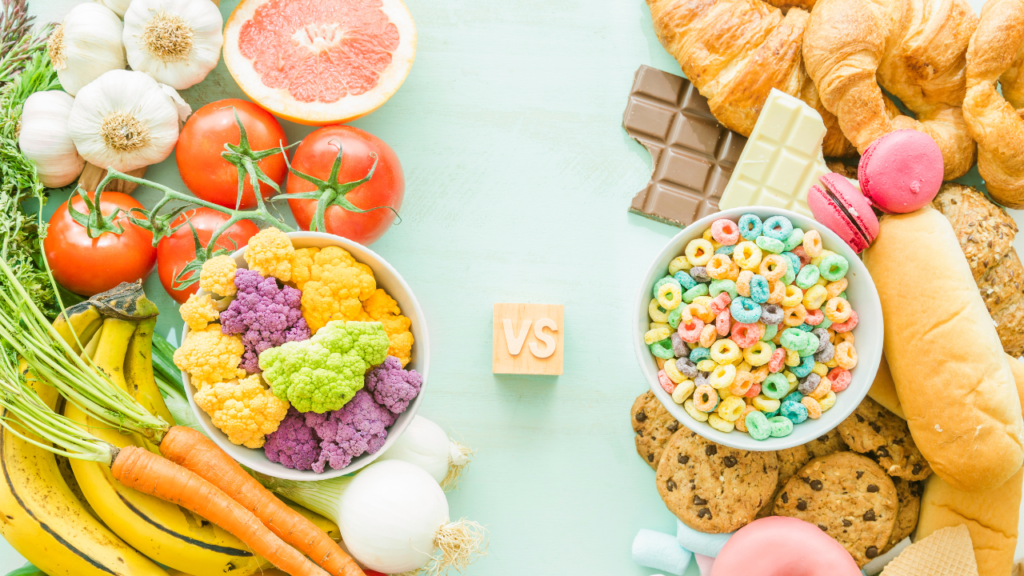
That said, the path towards a healthier FMCG market isn’t paved with roses. The global ultra-processed foods in the FMCG industry are so substantial that their global market size was valued at US$1.2 trillion in 2024. Despite all the controversy and backlash, the same report foresees an overall value of US$1.8 trillion by 2030.
What does this mean for your business? These reports are indicators that this gigantic sector is here to stay. However, some upgrades and reformations are required to stay relevant, keep up with the global trend, and avoid revenue decline.
While health and wellness remain a priority, many individuals in low-income countries and budget-conscious people everywhere still rely on UPFs. Their gentler price tags make them a top choice. Imagine swapping all market shelves with healthier and more costly products. The result? A fast shortcut to widespread inflation.
So, when discussing the ultra-processed foods market trend and shift towards healthier food choices, we are talking about a gradual transition, not sudden shake-ups.
Healthier Brands Gaining Popularity Over Ultra-processed Foods
Now the question remains: how can you include healthier alternatives in your product line within a tight timeframe? Instead of reinventing the wheel, acquiring healthy-based food and beverage brands gives you leverage. This approach accelerates your entry into a growing segment. Meanwhile, it bypasses the long and costly R&D process.
For example, in August 2024, Comitis Capital acquired Tofoo Co. It is a leading meat-free food brand in the U.K. Was this union born out of coincidence? Absolutely no. It was a result of shared visions and Tofoo’s leading position in the U.K. market. In fact, the company has carved its way to the top and secured the 2nd-largest share in its niche.
This strategic move on ultra-processed foods in FMCG wasn’t an isolated act by Comitis Capita. In fact, it’s a part of a broader ultra-processed foods market trend that lies in equity acquisition. The moral? Instead of fighting the inevitable, join, integrate, and stay ahead on board.
Will Healthier Foods Dominate the Ultra-processed Foods Market Trends?
Coexist or take over? This is the first question that comes to mind when hearing about this trend. While the acquisition and merger may feel like light at the end of the tunnel, they remain baby steps in this trillion-dollar industry.
What would happen next with the ultra-processed foods market trends? It’s all up to the shoppers and brands’ readiness for change. If consumers find healthier options worth their while, they will push the new preference over the table. Provided that the new products suit the consumers’ taste, desired textures, and expected value.
For FMCG brands, the path ahead isn’t about predicting an absolute takeover but preparing for coexistence. The demand for healthier choices will continue to rise, while UPFs will still hold ground in many markets due to affordability and accessibility. The winners will be those who manage both sides.
Feeling confused in the middle of rising trends? Stay tuned to our blog to keep track of the latest trends and how to cope with them.