What makes an FMCG brand stand out in MENA or global markets? Is it the product alone? Packaging? Ad campaigns? While the majority of brands need a blend of all that, they miss that one element that actually makes a difference: market-relevant innovation. But what if you are introducing a brand new product? You can take an example from the Mocktail Marketing Strategy for FMCG Brands
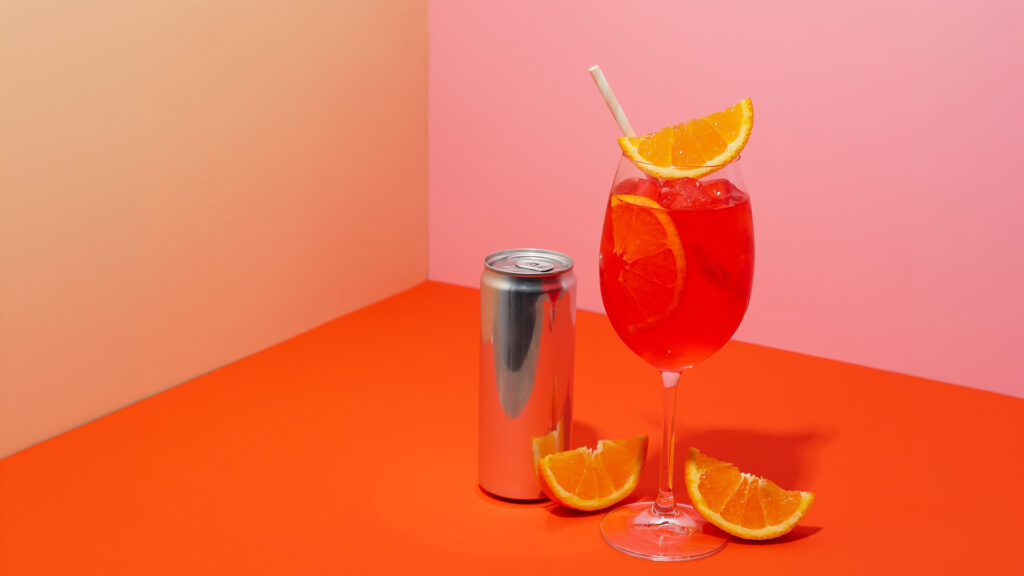
When discussing it, the mocktail marketing strategy for FMCG brands can serve as an example. Products like Nestlé’s Maison Perrier Chic reflect a growing category of premium ready-to-drink mocktails. These products have already established popularity in Western markets. However, they haven’t launched fully in the GCC and MENA markets.
Keep reading as we break down how this category gained traction in Western markets and what FMCG brands need to consider when translating that success into MENA.
Making a debut in a new market requires more than visibility. You need the right influencer who can contextualize your product within real consumption moments. Our influencer and UGC service helps you translate your product into content that feels native to the audience.
Challenges Facing the Mocktail Marketing Strategy for FMCG Brands in MENA
We often come across unusual and innovative FMCG products, but we don’t always see the potential in all of them. Introducing innovative products to a market without strong precedent is no easy task. The challenge gets even greater when this product has Western roots and proven success there. Without proper contextual adaptation, local markets can consider these items disconnected from daily consumption habits.
Another layer of complexity lies in how the product is positioned. Direct marketing of mocktails as an alcohol-free alternative to alcoholic beverages won’t be culturally accepted. However, when introduced as refreshments in casual gatherings and family moments during seasons like Ramadan or Eid, mocktails can fit in naturally.
When a product’s benefits resonate with the local audience, the geographical boundaries dissolve.
This is similar to what we have achieved with St. Dalfour Arabia. We introduced to the market a non-traditional fruit spread concept that is different from sugar-heavy alternatives. Instead of focusing on the foreign premium label, we highlighted the health traits. This approach clicked well with a growing segment of health-conscious consumers looking to reduce refined sugars without compromising on taste.
Success Factors for Mocktail Marketing Strategy in the U.S.
Before expanding into the U.S market, Nestlé-owned Maison Perrier Chic was introduced to Canada in 2024. Following its success there, the product has been extended across Europe. According to a report by Grand View Research, the markets in North America, Europe, and parts of Asia are ready to embrace the concept of mocktails. Its projected growth is estimated at USD 12.15 billion in 2030.
During execution, Nestlé played smart by not offering their line as a complete replacement for alcoholic drinks. Instead, the company pushed a redefinition of what social drinking can be.
As we analyze the growth traction, we find these factors helpful.
Planning to introduce a new product category in MENA? We help brands adapt positioning, messaging, and go-to-market strategies to fit local consumption behavior. Reach out now for a free consultation to draft a proper strategy.
1- Familiarity with Mocktail Marketing Strategy for FMCG Brands
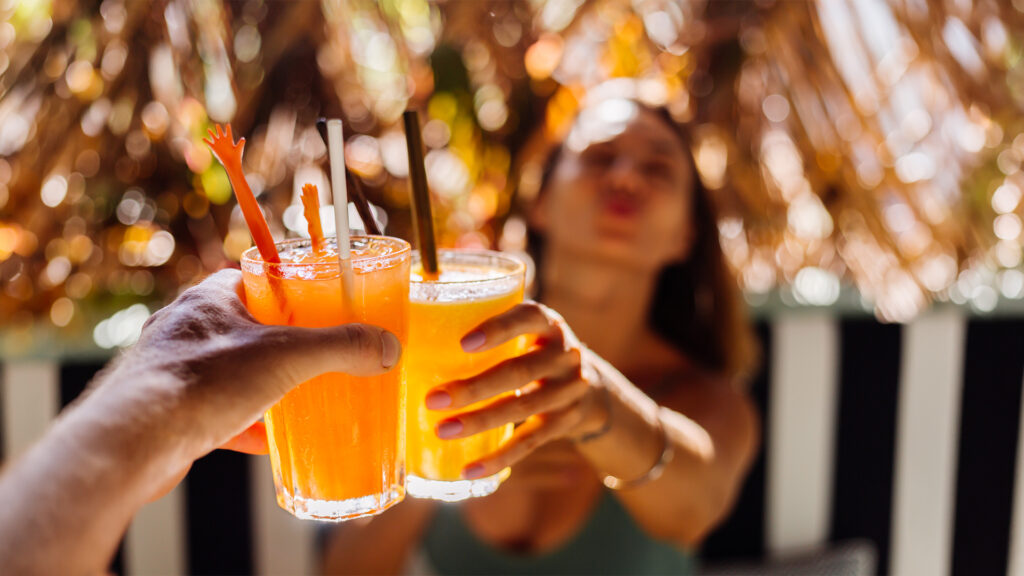
Unlike a mocktail marketing strategy for FMCG Brands in MENA, these drinks are not a foreign concept in Western markets. They are inspired by traditional cocktails, which are already a staple at social occasions and celebratory gatherings. For that reason, consumer education wasn’t the main barrier. Instead of building awareness from scratch, brands, including Nestlé, built on the existing concept. The real effort lies in highlighting the advantages of a non-alcoholic product.
2- Balancing Indulgence with Health Positioning
Taking a deeper look at the ingredients of Maison Perrier Chic edition reveals a natural and health-oriented recipe. It relies on real fruit juice with low-calorie formulations. This formula strikes a balance between sober cocktail experience and health-conscious consumption. This balance solves a crucial dilemma for FMCG markets, as consumers are not forced to choose between a healthy and tasty product.
3- Relatable Product Design
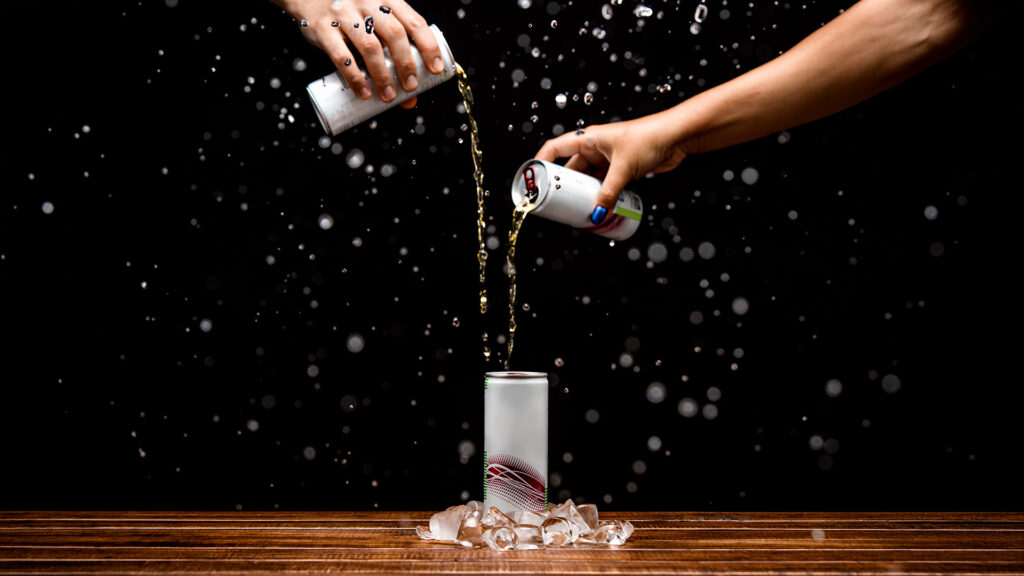
Coming in 4 flavor profiles, such as Daiquiri, Piña, Peach, or Citrus, isn’t just about diversifying. It is an imitation of flavors that people actually enjoy in social events and nights out. This helps the product become a real part of the moment, rather than another cool beverage.
4- Achieving Premium Positioning and Accessibility
One of the challenges that many premium products face in MENA is limited accessibility. But Nestlé avoided this trap, even with a premium Perrier label. The collaboration achieved the desired positioning, but availability wasn’t an issue. Since Nestlé worked with trusted and wide-reaching online and land-based distribution channels, such as Amazon and Whole Foods, accessibility was ensured to the targeted audience segments.
5- Alignment with Broader Behavior Shift
The success of this mocktail and other variations isn’t an isolated case. It is just an expression of a wide shift in consumer behavior.
- They want to have fun without the causal drawbacks of alcohol, such as passing out or a hangover.
- Simultaneously, they still need the distinctive and buzzing flavors within similar social experiences and lifestyles.
Looking for more case-based insights like this? Subscribe to our newsletter for in-depth coverage of FMCG strategies across MENA markets.