
5 Fatal FMCG Q1 Marketing Planning Mistakes to Avoid
As Q1 comes to an end, many brands continue working under the same FMCG Q1 marketing planning mistakes. What starts as an energetic push to gain momentum often turns into inconsistent performance and missed commercial opportunities.
At FMCG, we observe a recurring pattern that many FMCG brands in MENA follow. From replicating last year’s agenda to delaying preparation for major trade occasions, these gaps continuously undermine Q1 results. Read on to identify these common mistakes in FMCG Q1 planning and to explore how our framework helps brands escape this cycle.
Avoiding these common pitfalls requires a harmonized selection of digital services to stick with consumers throughout the funnel phases. Let’s help you achieve that with our service bouquet.
Why Must Brands Ditch FMCG Q1 Marketing Planning Mistakes?

Q1 mistakes in FMCG marketing planning are the behind-the-scenes players for early-year underperformances. One or more of these gaps can cause the following:
- Reduced in-store visibility.
- Weaken sales performance.
- Destabilize commercial confidence in the brand’s assets and channels.
Beyond these visible symptoms, planning mistakes can destroy budget efficiency. Yes, you will reallocate spend, but to the wrong priorities or SKUs.
Common Mistakes in FMCG Q1 Planning
We have worked with brands that previously believed the following FMCG Q1 marketing planning mistakes were minor gaps. used to believe that these are minor mistakes and can be left ignored. Little did they know that these mistakes would build up and carry forward into the following quarters.
By the time the severity becomes visible, most brands find themselves in Q3 or Q4. This is where correction costs are higher, and recovery windows are narrower.
1- Copy-Pasting Last Year’s Plan without insights
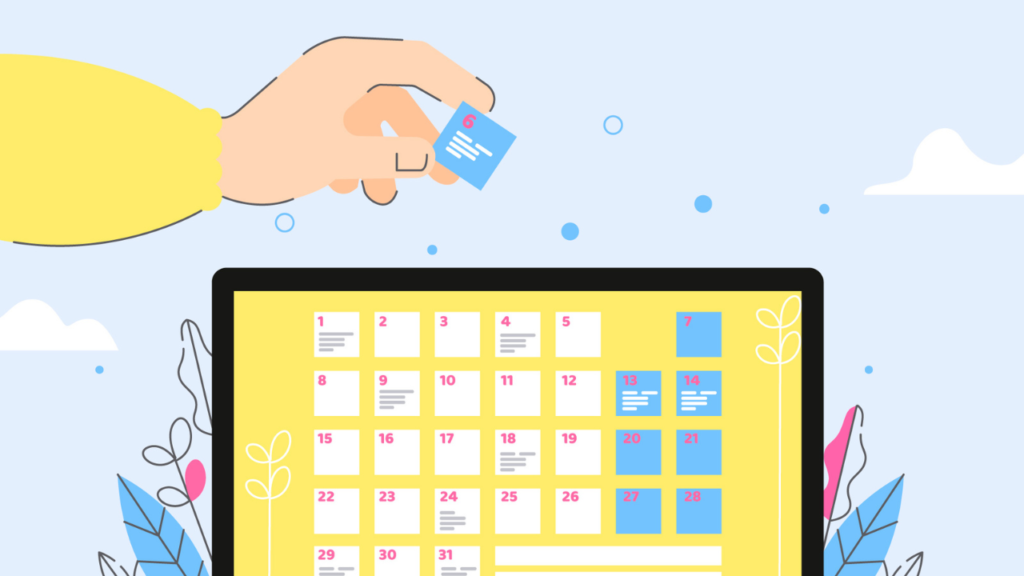
Among the top malpractices we keep advising our partners against is replicating last year’s roadmap without reviewing up-to-date market realities. The MENA market punishes duplicate strategies with stagnant growth. When we devise an FMCG strategy for Q1, we always consider market condition shifts, consumer behavior changes, pricing sensitivity, and retail negotiations. These variables keep evolving and won’t allow last year’s strategy to perform well.
2- Launching Campaigns Before Understanding Market Shifts
The FMCG market in MENA doesn’t operate uniformly throughout the same quarter, let alone across the full year. Many brands do their homework in highlighting peak seasons and plan campaign timing accordingly. However, seasonality alone doesn’t guarantee relevance or performance. What often gets overlooked is the velocity of category shifts.
At FMCG360, we prioritize continuous market signal monitoring before and during a launch. This includes tracking competition, trade arrangements, and promotional noise.
Need more information about common planning mistakes? Subscribe to our newsletter!
3- Over-Discounting Too Early
Several MENA markets just thrive on promotions and discounts. In Egypt, for example, research shows that price discounts are one of the most attractive promotional tools for consumers. Their power can actually beat other tactics, such as coupons or sampling.
However, brands must execute these incentives strategically. On the one hand, they are necessary to drive trials and maintain shelf share. On the other hand, impulsive or uncalculated discounts make a brand appear commercially desperate.
At FMCG360, we balance promotional power with timing. Instead of launching early discounts early on, we implement bundles that drive value and loyalty. Through considering factors such as retailer promotional calendars and consumer sensitivity signals to specific markets, we support long-term value perception.
4- Ignoring Ramadan Planning
Planning for Ramadan activations or launches shouldn’t begin a month or two before. In FMCG markets across MENA, Ramadan isn’t just a holiday. It’s a full commercial cycle that affects demand patterns, shopping behaviors, and consumption frequency. According to the Advent Calendar by NIQ published in Media Avatar Insights, Ramadan contributes around 19% of the yearly sales for the FMCG across MENA.
Delaying Ramadan planning results in rushed, unmeasured, and forced activities. These won’t look relevant or integrated into the broader commercial plan.
At FMCG360, we work on Ramadan planning right after the previous season concludes. This gives us a window to improve shelf visibility and availability. Our approach also ensures an opportunity for a smooth transition into the Eid season.
5- Focus on Vanity Metrics
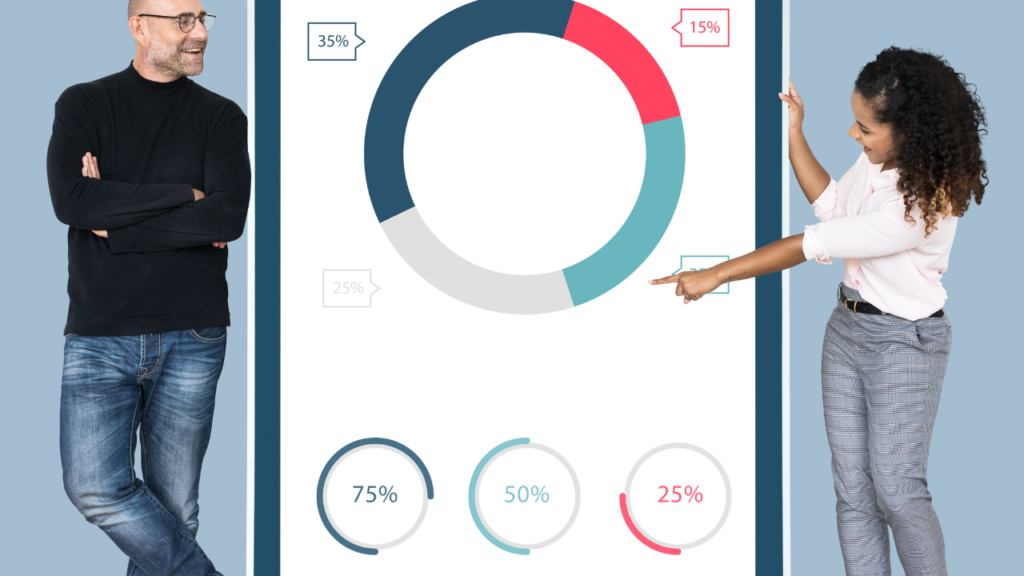
Vanity metrics alone aren’t what convert. These are only indicators that your digital content is resonating with the target audience. It might succeed at building top-of-funnel awareness or even entertaining viewers. However, they rarely drive the last mile in a shopper’s journey, which is the race to retail shelves.
What can really drive this sought-after action is product availability, distribution readiness, pricing compatibility, and SKU alignment with campaigns.
At FMCG, we judge performance through sell-out commercial lenses. We achieve that through linking specific KPIs with clear campaign goals, such as awareness, loyalty, and repeated purchase.
Ready to upscale your roadmap for Q2 without the same FMCG Q1 marketing planning mistakes, book a 15-minute consultation for outlining necessary basics.